

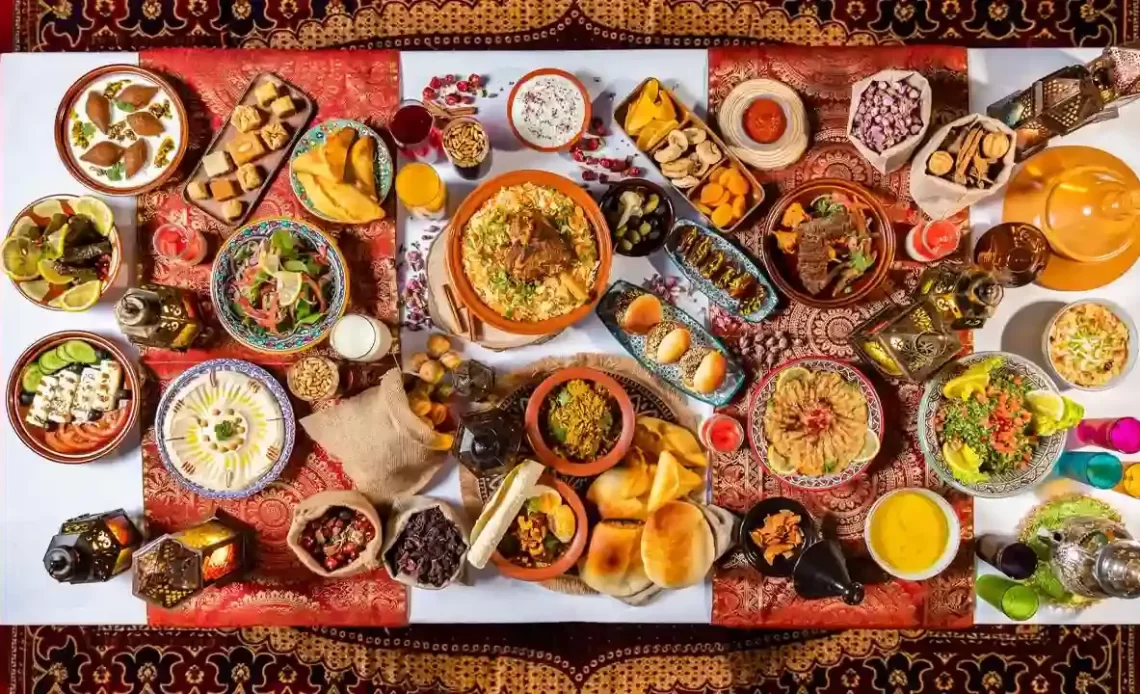
You might not realize that many traditional Emirati dishes in Dubai carry centuries-old stories of desert life and coastal trade. These meals blend simple ingredients like dates, fish, and fragrant spices into rich flavors that reveal the region’s heritage. If you want to grasp the true taste of Dubai beyond skyscrapers and malls, exploring these authentic dishes offers a unique glimpse into its culture and hospitality—starting with something as humble as a cup of Gahwa.
Arabic Coffee (Gahwa)
Arabic Coffee, or Gahwa, is more than just a beverage; it is a vital aspect of Emirati hospitality and cultural identity, particularly in Dubai. When residents and visitors enjoy Gahwa, they experience a delightful blend of lightly roasted coffee beans and aromatic cardamom, which imparts a distinct, slightly spicy fragrance. In Dubai, Gahwa is traditionally served in small, handleless cups known as finjan, poured from a dallah—a beautifully designed coffee pot that adds elegance to the experience.
The ritual of serving Gahwa is crucial, reflecting the values of respect and hospitality deeply ingrained in Emirati culture. This practice is particularly evident in residential areas like Jumeirah and Al Ain, where locals often gather to share Gahwa during social visits. The act of serving coffee is not just about the drink itself; it fosters connections and conversations among family and friends, emphasizing the warmth and generosity characteristic of Emirati tradition.
For newcomers to Dubai, understanding the significance of Gahwa can enhance social interactions and cultural appreciation. Engaging with this tradition provides a genuine experience that underscores the rich heritage of the Emirates. Local coffee shops, such as Arabian Tea House in Al Fahidi or Café Bateel in Jumeirah, offer authentic Gahwa experiences, allowing patrons to immerse themselves in the local culture while enjoying this age-old beverage. By partaking in Gahwa, residents not only enjoy a unique flavor profile but also participate in a centuries-old tradition that celebrates community and hospitality.
Luqaimat / Luqaymat
Sharing a cup of aromatic Gahwa is a staple in Emirati social culture, especially when paired with Luqaimat, a popular dessert that embodies the spirit of communal dining in Dubai. These small, golden dumplings, which are crispy on the outside and soft on the inside, are crafted from a straightforward batter made of flour, yeast, sugar, and saffron. After deep-frying, they are generously drizzled with date syrup or honey, creating a rich sweetness that enhances their delicate texture.
For residents and visitors alike, experiencing Luqaimat is not just about indulging in a treat; it serves as a cultural symbol of hospitality and joy, particularly during Ramadan and festive gatherings. Various eateries across Dubai offer this delicacy, making it easy to find a spot that suits your taste. Places like Al Fanar Restaurant & Cafe in Dubai Festival City or the iconic Al Mamzar Beach Park provide an authentic Luqaimat experience, showcasing the dish’s importance in Emirati traditions.
When considering where to enjoy Luqaimat, it’s beneficial to compare options based on location and ambiance. For instance, Al Fanar Restaurant provides a more traditional dining atmosphere, perfect for families wanting to immerse themselves in Emirati culture. In contrast, modern cafes like Kulture House in Jumeirah offer a trendy vibe, appealing to younger professionals or those seeking a contemporary twist on local cuisine.
Balaleet
Balaleet is a traditional Emirati dish that exemplifies the rich culinary heritage of Dubai, making it a staple of breakfast menus across the city. This dish features vermicelli noodles delicately cooked with fragrant cardamom and saffron, resulting in a visually appealing golden hue and an enticing aroma that captures the essence of Emirati flavors. The balance of sweetness, achieved through sugar or honey, complements the subtle spices, creating a complex taste profile that appeals to a wide range of palates.
For newcomers or residents looking to experience authentic Emirati breakfast options, numerous local eateries in neighborhoods such as Al Fahidi and Deira serve Balaleet. Popular establishments like Al Bait Alqadeem and Arabian Tea House offer this dish, often paired with a fluffy egg omelet. This combination not only provides a satisfying protein contrast to the sweet noodles but also enhances the overall breakfast experience.
When sampling Balaleet, residents can expect:
- Soft, buttery vermicelli infused with aromatic spices.
- A gentle sweetness derived from either sugar or honey, making it a comforting morning treat.
- Distinctive aromatic notes of cardamom and saffron, which are integral to Emirati cuisine.
- A tender, fluffy egg omelet either served on top or alongside the noodles, adding an essential protein element.
- A comforting, warm texture that makes it ideal for starting the day on a positive note.
For those interested in exploring Balaleet, consider visiting during the morning hours when it is freshly made. Whether enjoyed at home or in a local café, Balaleet provides a delicious glimpse into the culinary traditions of Dubai, offering both residents and visitors a taste of Emirati culture.
Saloona / Salona
Saloona, a traditional Emirati stew, is a beloved dish that embodies the culinary heritage of the UAE. It combines a colorful assortment of fresh vegetables, typically including tomatoes, eggplants, and potatoes, with either tender meat or fish, all infused with a blend of aromatic spices such as cumin, coriander, and turmeric. This dish is emblematic of Dubai’s reliance on locally sourced ingredients, showcasing the region’s agricultural bounty and traditional cooking methods.
For residents interested in experiencing authentic Saloona, several restaurants across Dubai cater to this culinary delight. For instance, Al Fanar Restaurant and Cafe in Dubai Festival City offers a classic take on Saloona, while Bait Al Mandi in Al Quoz presents a unique twist with its own signature spices. Each establishment reflects the rich diversity of the dish, making it essential for newcomers and long-term residents to explore these flavors.
When considering dining options, families may prefer Al Fanar for its family-friendly atmosphere and extensive menu, while single professionals might opt for the more casual dining experience at Bait Al Mandi. Understanding the ambiance, menu diversity, and location can significantly enhance your dining experience.
Saloona is often served alongside fluffy rice or warm bread, which is ideal for soaking up the flavorful broth. To fully appreciate the dish, residents can visit local markets, like the Dubai Spice Souk in Deira, to source fresh ingredients and try their hand at making Saloona at home. This not only fosters a deeper connection to Emirati culture but also allows for a personalized take on this cherished recipe.
Khabisah / Khabees
Khabisah, also referred to as Khabees, is a cherished Emirati dessert that reflects the culinary heritage of Dubai. This traditional dish features roasted flour combined with sugar and enhanced by the aromatic essence of cardamom. Here’s an exploration of what makes Khabisah a notable dish within the Emirati food scene:
Key Ingredients and Flavor Profile:
- Roasted Flour: The foundation of Khabisah, roasted flour imparts a nutty depth to the dish. This ingredient is typically sourced from local markets such as the Al Ain Market, renowned for its high-quality grains.
- Cardamom: A staple spice in Emirati cooking, cardamom adds a fragrant, slightly spicy note that elevates the dessert’s profile. It is widely available at grocery stores across Dubai, including Carrefour and Lulu Hypermarket.
- Sugar: Balancing the dish, sugar provides sweetness without being overpowering, allowing the other flavors to shine.
Serving and Cultural Significance:
- Warm Presentation: Khabisah is traditionally served warm, enhancing its comforting qualities. Many local cafes and restaurants, such as Al Fanar Restaurant & Cafe, offer it as part of their dessert menu, especially during festive occasions.
- Festive and Family Occasions: This dessert is often enjoyed at family gatherings and celebrations, showcasing the Emirati tradition of hospitality. Understanding when and how Khabisah is served can provide insights into the cultural practices surrounding food in Dubai.
Practical Tips for Residents:
For those looking to experience Khabisah, visiting local eateries that specialize in Emirati cuisine is recommended. Establishments such as Al Ustad Special Kebab and Al Mallah are known for their authentic offerings. Furthermore, many supermarkets in Dubai stock ready-made Khabisah for convenience, allowing residents to indulge without the need for extensive preparation.
Namlet
Namlet, a treasured component of Emirati breakfast culture, offers residents and visitors alike a taste of Dubai’s culinary heritage. This dish is characterized by its thin, crispy pancakes, crafted from a straightforward mixture of flour, eggs, sugar, and saffron, which imparts a distinctive golden color and aromatic flavor profile.
For those exploring authentic Emirati cuisine in Dubai, Namlet can be found in various traditional eateries across neighborhoods such as Deira and Al Fahidi. This dish is typically prepared on a saj, a flat griddle that exemplifies the skill required in Emirati cooking. When enjoying Namlet, diners often enhance its light, airy texture and subtle sweetness with a drizzle of local date syrup or honey, available at many local markets and cafes.
Sharing meals like Namlet reflects the social fabric of Dubai, where culinary experiences are often communal. For newcomers, discovering this dish is an ideal way to connect with the region’s rich history and customs. Whether you’re a single professional seeking a quick breakfast option or a family looking to explore local flavors, Namlet offers both comfort and a deep-rooted taste of Emirati culture, making it a must-try in your Dubai culinary journey.
Khuzi
When exploring Emirati cuisine, Khuzi emerges as a hallmark dish that encapsulates Dubai’s rich culinary heritage. This substantial meal is a quintessential representation of local traditions, featuring slow-cooked lamb, aromatic spices, and basmati rice, making it a staple during celebratory occasions such as weddings and festivals. Understanding Khuzi’s role in Dubai’s food culture provides valuable insight for both newcomers and long-term residents.
Khuzi stands as a festive Emirati dish, blending slow-cooked lamb, spices, and basmati rice in Dubai’s rich culinary tradition.
Key Features of Khuzi:
- Slow-Cooked Lamb: The lamb is traditionally marinated and cooked for hours, resulting in a tender and flavorful centerpiece. This method is often employed in local restaurants like Al Fanar, which specializes in authentic Emirati cuisine.
- Basmati Rice: The dish includes basmati rice infused with saffron and a medley of spices, which enhances the overall flavor profile. Its preparation technique is crucial, often guided by chefs who have mastered the art of Emirati cooking.
- Spice Blend: A unique combination of spices, including cinnamon, cardamom, and cloves, defines Khuzi’s distinctive taste. Understanding these spices and their origins can deepen appreciation for the dish.
- Garnishes: Khuzi is typically garnished with roasted nuts and raisins, providing an added texture contrast. This garnishing technique is common in traditional Emirati dining, reflecting the region’s hospitality.
- Accompaniments: It is often served with a fresh salad or yogurt, enhancing the meal’s balance. Residents can find Khuzi at various locations, including local eateries in Al Ain or upscale dining establishments in Dubai Mall, each offering their unique twist on the dish.
Khuzi is not merely a meal; it is a culinary experience that invites residents to indulge in the festive spirit of Dubai. Understanding its components and where to enjoy it can enrich one’s gastronomic journey in the city.
Karak Chai
In Dubai, no Emirati meal is truly complete without experiencing Karak Chai, a quintessential spiced tea that reflects the city’s warm hospitality. This beverage, which combines robust black tea with rich evaporated milk, is infused with a distinctive blend of spices, including cardamom and saffron. The result is a creamy and aromatic drink that offers both comfort and refreshment, making it a favored option for breakfast or afternoon tea among residents and visitors alike.
Karak Chai is not merely a drink; it is a cultural artifact that embodies the fusion of Indian and Arabian flavors, prominently featured in Dubai’s diverse culinary landscape. It is traditionally served in small glasses at popular roadside stalls and cafes, such as the renowned Al Dhafra in Al Satwa or the bustling Karak House in Downtown Dubai. These venues provide a casual atmosphere where residents can enjoy this beloved beverage while engaging in the local community.
For newcomers to Dubai, exploring the different variations of Karak Chai can be an enriching experience. Some establishments may offer unique twists, such as adding condensed milk or flavored syrups, while others stick to the classic recipe. Residents might compare the offerings at various locations to determine which establishment suits their palate and budget best. Prices typically range from AED 3 to AED 10, depending on the venue and any additional ingredients.
In the pursuit of authentic local experiences, trying Karak Chai is a must. It provides not only a taste of Dubai’s vibrant culture but also an opportunity to engage with fellow residents and locals, fostering a sense of community in this cosmopolitan city.
Grilled Fish
Grilled fish is a staple in Emirati cuisine, deeply rooted in Dubai’s rich maritime culture. When residents and visitors indulge in this dish, they experience the flavors of fresh hammour or kingfish, two local favorites, marinated with a blend of spices such as cumin, coriander, and turmeric, and then grilled over charcoal. This cooking method not only enhances the fish’s moisture but also imparts a distinctive smoky flavor that resonates with the region’s culinary heritage.
For those seeking an authentic grilled fish experience in Dubai, here are some key points to consider:
- Local Varieties: Hammour and kingfish are commonly found in local markets and restaurants. Sourcing your fish from reputable vendors like the Deira Fish Market ensures freshness and quality.
- Marinade Components: The marinade typically includes garlic, lemon juice, and a mix of regional spices. When preparing grilled fish at home, sourcing fresh ingredients from local supermarkets such as Carrefour or Lulu Hypermarket can make a significant difference in flavor.
- Grilling Techniques: Charcoal grilling is the preferred method, as it adds a subtle smokiness to the dish. For those who want to replicate this at home, consider using a traditional mangal (grill), widely available in stores like Ace Hardware or online platforms such as Amazon.ae.
- Serving Suggestions: Grilled fish is often accompanied by saffron rice or flatbread, which can be easily found at local eateries across neighborhoods like Jumeirah or Al Fahidi. For a refreshing touch, a squeeze of fresh lemon enhances the dish’s natural flavors.
- Culinary Experience: Enjoying grilled fish in local restaurants such as Bu Qtair in Umm Suqeim or Al Mahara in the Burj Al Arab provides not just a meal, but a connection to Dubai’s seafaring traditions and its vibrant community atmosphere.
This culinary experience is perfect for both families looking for a wholesome meal and single professionals seeking a taste of local culture. Exploring these options will enrich your understanding of Dubai’s diverse food scene while connecting you with the city’s historical roots.
Chebab
Chebab, a beloved staple of Emirati cuisine, is often referred to as Emirati pancakes and features prominently in traditional breakfast offerings across Dubai. These soft, sweet pancakes are crafted from a simple yet aromatic batter consisting of flour, sugar, and cardamom, a spice that lends a distinctive warmth and fragrance. Residents can typically enjoy chebab dipped in date syrup or honey, both of which elevate the dish’s comforting flavor profile.
| Feature | Description |
|---|---|
| Main Ingredients | Flour, sugar, cardamom |
| Texture | Soft, slightly spongy |
| Flavor Profile | Sweet with aromatic cardamom |
| Serving Suggestion | Pair with date syrup or honey |
| Occasion | Ideal for breakfast or as a snack |
For those looking to experience authentic chebab, popular locations include local eateries in the Al Fahidi Historical District, where traditional Emirati breakfast is served in a nostalgic setting. This dish not only represents a culinary delight but also embodies the principles of Emirati hospitality, making it a must-try for both newcomers and long-term residents seeking a taste of local culture.
Incorporating chebab into your breakfast routine provides an excellent opportunity to engage with Dubai’s rich culinary heritage. Whether enjoyed at home or at a local café, savoring this dish can enhance your understanding of Emirati traditions, making it an essential experience for anyone living in or visiting Dubai.
Regag
Regag, a traditional Emirati flatbread, is a staple in Dubai’s culinary landscape, reflecting the region’s rich heritage. This dish stands out for its thin, crispy texture, achieved by spreading a watery batter made from flour, water, and salt on a hot griddle, a cooking method commonly found in local eateries throughout the city.
Regag, a traditional Emirati flatbread, features a thin, crispy texture made from a simple flour batter on a hot griddle.
Key Attributes of Regag:
- Cooking Technique: Regag is quickly cooked on a griddle, similar to a crepe, allowing for rapid preparation in busy kitchen environments.
- Ingredients: The basic recipe consists solely of flour, water, and a pinch of salt, making it a simple yet flavorful option available at various local restaurants.
- Serving Options: Regag is versatile; it can be enjoyed plain or filled with popular ingredients such as eggs, cheese, or honey, appealing to diverse palates.
- Texture: The unique combination of crispy edges and a soft, chewy center enhances the eating experience, making it a favored choice among locals and tourists alike.
- Convenience: Often served folded or rolled, Regag is easy to eat on the go, which aligns perfectly with Dubai’s fast-paced lifestyle.
Where to Find Regag in Dubai:
For residents seeking to explore Regag, popular locations include local markets and dedicated Emirati restaurants. Notable spots such as Al Fanar Restaurant & Cafe and Ravi Restaurant in Satwa offer authentic versions of this dish, emphasizing the importance of culinary heritage in the region.
Harees
Harees is a traditional Emirati dish that has been a staple for families in Dubai for generations, celebrated for its nourishing qualities and comforting texture. This dish combines ground wheat and meat, commonly chicken or lamb, which is slow-cooked to achieve a porridge-like consistency. The preparation requires patience, with the ingredients simmering for several hours to ensure a harmonious blend of flavors.
In Dubai, Harees is especially popular during Ramadan and special occasions, symbolizing warmth and togetherness within the community. Its subtle flavor profile allows the natural essence of the meat and wheat to emerge, providing a satisfying and filling meal that resonates with the region’s rich culinary heritage.
For those interested in experiencing authentic Emirati cuisine, Harees is an essential dish to try. It reflects the cultural roots of the UAE and can be found in various restaurants across the city. Notable establishments such as Al Fanar Restaurant and Cafe, located in Dubai Festival City, and the iconic Ravi Restaurant in Satwa serve delicious versions of this hearty dish. When dining out, it’s advisable to check for seasonal offerings, as Harees may be featured prominently during Ramadan, providing an opportunity to savor this historical meal in a communal setting.