

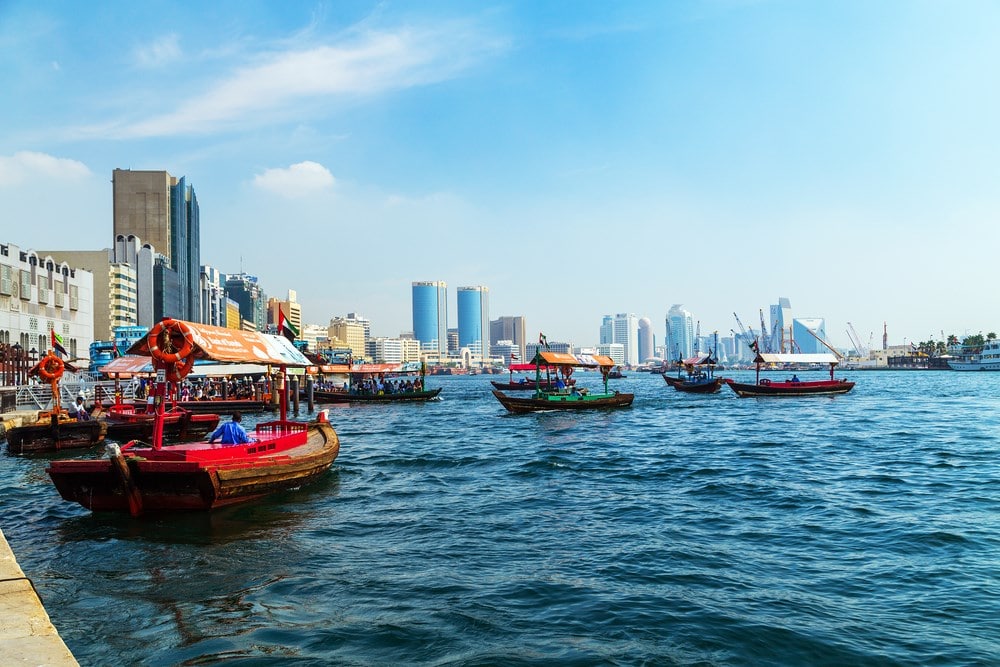
If you are planning a visit to Dubai Creek, you’re in for a rich mix of history, culture, and vibrant local life. Picture wandering through the Al Fahidi Historical District with its wind-tower houses, cruising the creek on a traditional abra boat, and exploring bustling souks filled with spices and textiles. Regardless of if you are a history buff, foodie, or shopper, Dubai Creek offers something that will surprise and delight. But there’s much more beyond these highlights that you’ll want to uncover.
To Things to do in Creek Dubai
Begin your journey at the Al Fahidi Historical District, where you can immerse yourself in the charm of old Dubai before exploring the nearby museums.
Al Fahidi Historical District (Bastakiya)
Stepping into the Al Fahidi Historical District, commonly referred to as Bastakiya, provides residents and visitors with an immersive experience of Dubai’s rich heritage prior to the city’s rapid urban development. This area features narrow lanes adorned with restored wind-tower houses, which utilize an ancient cooling system unique to the Arabian Peninsula, effectively demonstrating traditional Emirati architectural ingenuity.
| Feature | Description |
|---|---|
| Wind Towers | Traditional structures designed to capture and direct cool breezes into homes, enhancing comfort without modern air conditioning. |
| Art Galleries | Home to a mix of contemporary and traditional Middle Eastern art, showcasing the work of local and regional artists, contributing to Dubai’s vibrant cultural scene. |
| Museums | Offer insightful exhibits on local history and Emirati culture, including the Dubai Museum and the Sheikh Mohammed Centre for Cultural Understanding. |
| Cafes | Cozy establishments serving traditional Emirati coffee and local snacks, perfect for a cultural immersion experience. |
Bastakiya stands as a testament to Dubai’s commitment to preserving its cultural identity amidst ongoing modernization. Residents interested in exploring this historical district can take advantage of local services, including guided tours offered by the Dubai Culture and Arts Authority. These tours not only highlight the architectural significance of wind towers but also provide context on the social history of the area.
Art enthusiasts may wish to visit specific galleries like the Majlis Gallery and the XVA Gallery, both of which feature a curated selection of artworks that reflect the evolving narrative of Dubai’s artistic landscape. Additionally, engaging with small museums, such as the Dubai Museum located in Al Fahidi Fort, allows residents to gain a deeper understanding of the emirate’s transition from a modest fishing village to a global metropolis.
For those seeking a taste of local cuisine, the cafes in Bastakiya, such as the Arabian Tea House, offer an authentic experience with traditional Emirati dishes and beverages. This culinary aspect is essential for newcomers aiming to familiarize themselves with the local culture.
The Dubai Museum
The Dubai Museum, located within the historic Al Fahidi Fort, serves as a vital cultural resource for residents and newcomers looking to understand the emirate’s evolution from a modest fishing village to a bustling metropolis. This museum provides a comprehensive overview of traditional Emirati life through an array of artifacts, life-size dioramas, and interactive exhibits.
Visitors can explore intricate scenes depicting ancient souks, pearl diving, and the local desert wildlife, thereby establishing a tangible connection to Dubai’s rich heritage. The museum’s engaging presentation of history and culture makes it an essential stop for those seeking to deepen their understanding of Dubai beyond its contemporary skyline.
For residents interested in planning a visit, it’s advisable to check the Dubai Culture and Arts Authority’s official website for the latest information on opening hours and guided tour options. Furthermore, accessing the museum is straightforward, with public transport options like the Dubai Metro to the Al Fahidi station or taxi services readily available. This accessibility enhances its appeal as a key educational attraction for families, students, and tourists alike, reinforcing Dubai’s commitment to preserving and promoting its historical narrative.
Catch an Abra
A ride on an abra—Dubai’s traditional wooden boat—provides residents and visitors with an authentic mode of transportation across Dubai Creek, connecting the neighborhoods of Bur Dubai and Deira. This experience not only serves as a practical transit option, costing just AED 1 per trip, but also allows individuals to immerse themselves in the city’s rich maritime heritage.
Here are the compelling reasons to catch an abra while in Dubai:
- Authentic Local Experience: Utilizing the abra system offers a genuine glimpse into the daily lives of locals. Operated by the Roads and Transport Authority (RTA), this service reflects the city’s historical reliance on water transport for trade and travel.
- Scenic Waterfront Views: As the abra glides across Dubai Creek, riders can enjoy expansive views of the vibrant souks, such as the Gold Souk and Spice Souk in Deira, as well as iconic landmarks like the Dubai Museum in Al Fahidi Fort. This juxtaposition of traditional and modern architecture provides a unique perspective on the city’s development.
- Cultural and Historical Insight: The abra ride is not just about transportation; it is an opportunity to witness Dubai’s evolution. Passengers can observe traditional dhows unloading cargo, which highlights the ongoing significance of maritime trade in the UAE’s economy.
For newcomers, understanding the abra system is straightforward. Simply head to designated abra stations, typically located near major attractions and commercial areas. The frequency of the service, every few minutes during peak hours, ensures minimal waiting time, making it a convenient option for those exploring the bustling waterfront.
The Shindagha Museum and Heritage District
Discover an essential aspect of Dubai’s history by visiting the Shindagha Museum and Heritage District, a meticulously preserved area that highlights traditional Emirati life and significant historical artifacts. As residents and newcomers navigate through restored wind-towered houses and winding alleyways, they gain a comprehensive understanding of the region’s maritime heritage, pearl diving traditions, and Bedouin culture.
The Shindagha Museum features interactive exhibits that effectively illustrate daily life prior to Dubai’s rapid modernization. This immersive experience provides a tangible connection to the past, allowing visitors to engage with the narratives that shaped the city’s evolution. A highlight of the museum is the Sheikh Saeed Al Maktoum House, where historical photographs and maps offer a visual account of Dubai’s transformation over the decades.
The Heritage District’s authentic ambiance encourages reflection on Dubai’s origins amidst its contemporary advancements. This visit not only enriches the experience of exploring Dubai Creek but also fosters a deeper appreciation for the city’s cultural roots. For those interested in understanding Dubai’s historical context, the Shindagha Museum and Heritage District serves as a vital resource, making it a must-visit destination for anyone residing in or visiting the city.
Dubai Ferry
Gliding across the shimmering waters of Dubai Creek, the Dubai Ferry provides an essential transport service that connects key neighborhoods such as Deira and Bur Dubai. This eco-friendly commuter option allows residents and visitors to navigate the city’s vibrant waterfront life while gaining a unique perspective on the juxtaposition of Dubai’s historic districts and modern infrastructure.
Reasons to Utilize the Dubai Ferry:
- Budget-Friendly Sightseeing: The Dubai Ferry offers an economical way to experience the cultural heart of the city from the water. Ticket prices are competitive, making it accessible for frequent commuters and tourists alike.
- Efficient Transport Option: Unlike road traffic, the Dubai Ferry provides quick and reliable crossings, significantly reducing travel time between districts. This service is particularly beneficial for residents commuting to work or those attending events in the area.
- Engaging Local Atmosphere: Passengers can enjoy the refreshing breeze and observe the dynamic local life along the Creek. The ferry route provides views of traditional dhows alongside iconic skyscrapers, offering a visual narrative of Dubai’s evolution.
For residents eager to understand Dubai’s rich heritage and its fast-paced lifestyle, the Dubai Ferry is an indispensable part of the city’s transportation network. To plan your journey, visit the Roads and Transport Authority (RTA) website for schedules and ticketing information, ensuring a seamless experience while exploring this bustling metropolis.
Shopping at the Creek
Shopping at Dubai Creek immerses you in vibrant markets filled with unique finds and cultural experiences, setting the perfect stage for your next adventure.
The Spice Souk Deira
The Spice Souk in Deira is a crucial destination for culinary enthusiasts and residents seeking authentic ingredients in Dubai. This bustling marketplace, characterized by its vibrant stalls, offers a rich selection of spices, herbs, and dried fruits that are integral to Middle Eastern cuisine. Navigating through its narrow alleys, visitors can engage in the traditional practice of haggling while discovering unique flavors that enhance local dishes.
Here are key ingredients to explore:
- Saffron: Sourced primarily from Iran and Spain, saffron is one of the world’s most expensive spices, known for its distinctive flavor and vibrant hue. It’s essential for traditional dishes such as biryani and is available at various stalls throughout the souk.
- Sumac: This tangy, lemon-flavored spice is a staple in Middle Eastern cooking, ideal for seasoning meats and salads. You can find it at numerous spice vendors, who often provide insights on its culinary uses.
- Dried Rose Petals: Commonly used in Middle Eastern teas and desserts, dried rose petals add a delicate floral note to dishes. Many vendors offer samples, allowing you to experience their aroma firsthand.
Visiting the Spice Souk is not merely a shopping trip; it represents an immersion into Dubai’s rich culinary heritage. For residents looking to incorporate traditional flavors into their cooking, this marketplace serves as a vital resource. To maximize your experience, consider visiting during the early morning or late afternoon when the market is less crowded, allowing for a more leisurely exploration and interaction with vendors.
For further culinary adventures, residents can also seek out specialty stores like Al Adil Trading in Al Quoz or Rolla Plaza in Bur Dubai, which offer a broader selection of spices and food products catering to diverse tastes.
Bur Dubai Souk Market
Bur Dubai Souk Market: A Cultural and Shopping Landmark
Bur Dubai Souk Market serves as an essential destination for both newcomers and long-term residents in Dubai, seamlessly merging traditional shopping experiences with authentic street food. Situated along Dubai Creek, this bustling market features narrow lanes teeming with vendors specializing in spices, textiles, and handcrafted goods, making it a vital part of the city’s commercial landscape.
What to Buy: Key Offerings at Bur Dubai Souk Market
| What to Buy | Description |
|---|---|
| Spices | Fresh and aromatic, essential for Middle Eastern cuisine; vendors often provide samples to gauge quality. |
| Textiles | An array of colorful fabrics including silk and cotton; traditional garments such as abayas and kanduras are available, showcasing local craftsmanship. |
| Handicrafts | Unique souvenirs and home decor items—including pottery and wooden carvings—representing Dubai’s rich artisanal heritage. |
| Street Food | Local delicacies like samosas and pakora, alongside karak tea, a beloved sweet and spiced milk tea; ideal for a quick and flavorful snack. |
| Jewelry | Both gold and costume jewelry offered by local artisans, featuring designs that reflect regional aesthetics and cultural significance. |
For residents and visitors alike, the market’s vibrant atmosphere is an invitation to delve deeper into Dubai’s cultural tapestry. Exploring the souk not only offers the chance to uncover unique treasures but also provides an opportunity to engage with local vendors, gaining insights into the products and their significance in Emirati culture.
Step-by-Step Guide to Navigating Bur Dubai Souk Market:
*Step 1: Arrive at the Market*
Access the Souk via public transport, such as the Dubai Metro, disembarking at Al Fahidi Station, or opt for a taxi to the designated market area.
*Step 2: Explore the Offerings*
Wander through the narrow lanes, taking note of the various stalls. Spices are typically located near the entrance, while textiles and handicrafts can be found deeper within the market.
*Step 3: Engage with Vendors*
Interact with shopkeepers who are often eager to share their knowledge about the products. Don’t hesitate to ask for samples, especially for spices and street food.
*Step 4: Make Purchases*
Bargaining is common in traditional markets; consider negotiating prices for a better deal, particularly on bulk purchases.
*Step 5: Enjoy Local Delicacies*
Take a break at one of the nearby street food stalls to sample local dishes, enhancing your cultural experience.
*Step 6: Finalize Your Visit*
Before leaving, ensure you have explored all sections of the market and picked up a few unique items that reflect your experience in Dubai.
Bur Dubai Souk Market is not just a shopping destination; it is a vital part of Dubai’s community, offering insights into the local culture and traditions. By engaging with this market, residents can deepen their appreciation for the diverse elements that constitute life in Dubai.
Chuk Palu
Exploring the vibrant lanes of Bur Dubai Souk Market naturally leads to a unique retail experience: Chuk Palu. This shop, owned by Rahim, specializes in authentic Afghan goods that embody the rich cultural heritage of the Middle East. Located along Dubai Creek, Chuk Palu offers a diverse range of products, including carpets, cushion covers, and light fittings, all meticulously imported from Afghanistan. Shopping here not only allows you to acquire handcrafted traditional items but also supports local artisans and preserves cultural craftsmanship.
Why You Should Visit Chuk Palu:
- Authentic Afghan Carpets – Each carpet features intricate patterns and vibrant colors, making them ideal for enhancing the warmth and aesthetic of any living space. These carpets often come with a certification of authenticity, ensuring their quality and origin.
- Handmade Cushion Covers – These cushion covers provide an opportunity to infuse your home décor with a touch of Afghan culture and comfort, crafted from high-quality materials that stand the test of time.
- Exquisite Handbags and Lighting – The unique accessories available at Chuk Palu blend artistry and functionality, offering practical yet stunning additions to your home or wardrobe.
To find Rahim’s shop, refer to local maps or navigation apps, ensuring you enrich your experience along Dubai Creek with this distinct cultural shopping destination. Supporting Chuk Palu not only enhances your home but also contributes to the sustainability of traditional Afghan craftsmanship in Dubai.
The Ali Ibn Talib Mosque
The Ali Ibn Talib Mosque, a prime illustration of Iranian architectural influence, is strategically located along Dubai Creek. This mosque captivates onlookers with its elaborate mosaic patterns in vibrant shades of blue and teal, a hallmark of Persian tilework. The exterior features a stunning combination of geometric and floral motifs, which create a harmonious visual appeal.
While access to the interior is restricted to Muslims, visitors can appreciate the intricate details of this cultural landmark from the surrounding areas. Its tranquil presence provides a striking contrast to the dynamic atmosphere of Dubai Creek, making it an ideal spot for a reflective pause amid the area’s energy.
For residents and visitors alike, the Ali Ibn Talib Mosque represents the rich heritage of Dubai, showcasing centuries-old craftsmanship that is integral to the local community’s identity. As part of your exploration of Dubai Creek, this mosque stands out as an essential landmark, reflecting the city’s architectural diversity and cultural significance.
Incorporating visits to such iconic sites is crucial for newcomers aiming to understand the cultural tapestry of Dubai. This mosque exemplifies the blend of tradition and modernity that characterizes the city, making it a vital stop for anyone seeking to immerse themselves in Dubai’s historical and architectural narrative.
Where to Eat
Experience the vibrant culinary scene along Dubai Creek, from aromatic coffee to authentic street food, as you explore local dining spots that showcase the area’s rich flavors.
Mazmi Coffee
Mazmi Coffee stands out as a distinctive café along Dubai Creek, renowned for its authentic Emirati and Italian synergy, making it a noteworthy destination for both residents and visitors seeking quality coffee. Situated in the Al Seef area, the café offers a unique vantage point to observe traditional cargo dhows navigate the waters, enhancing the experience of enjoying expertly brewed coffee.
The establishment is co-owned by a local Emirati and his Italian wife, which enriches the café’s ambiance with a blend of cultural influences. Mazmi Coffee is particularly acclaimed for its specialty coffee selections, which are ideally paired with a range of homemade cakes, including a notable gluten-free orange and almond cake. This catering to dietary preferences reflects a growing trend in Dubai’s culinary scene, where inclusivity in food offerings is increasingly prioritized.
For those seeking a complete experience, Mazmi also operates a nearby Bed and Breakfast, strategically located to provide guests with direct access to the scenic views of Dubai Creek. This accommodation option is frequently highlighted in local reviews for its unique positioning and the personalized hospitality offered by the owners.
Key reasons to consider Mazmi Coffee include:
- The opportunity to enjoy rich, expertly brewed coffee while observing the arrival of traditional dhows, a quintessential aspect of Dubai’s maritime culture.
- An assortment of gluten-free, homemade cakes that enhance the coffee experience, catering to diverse dietary needs.
- A genuine blend of Emirati hospitality and Italian charm, situated in a tranquil location that invites relaxation.
Bur Dubai Souk Market
When navigating the Bur Dubai Souk Market, residents and visitors alike will find themselves immersed in an authentic culinary landscape that showcases the essence of Indian street food. The market, located within the historical district of Bur Dubai, features an array of narrow lanes lined with street food vendors. Here, you can indulge in crispy samosas and spicy pakoras, which are prepared fresh and reflect the rich flavors of Indian cuisine.
For a comprehensive dining experience, it is advisable to pair these savory snacks with karak tea, a popular spiced milk tea that complements the rich flavors of the food. This tea can be found at various stalls, each with its unique twist on the classic recipe. Engaging with the vendors not only enhances the culinary experience but also fosters a sense of community among patrons.
The competitive atmosphere of the market is palpable, with each stall vying for attention by showcasing their specialties. This lively environment not only provides a feast for the palate but also immerses visitors in the local culture and energy of Dubai Creek. For those seeking genuine street food experiences in Dubai, the Bur Dubai Souk Market is an essential destination that promises to satisfy both the appetite and curiosity about the region’s culinary heritage.
Exploring this market also serves as an opportunity to understand the local economy and support small businesses. Vendors often source their ingredients locally, which contributes to Dubai’s vibrant food scene and promotes sustainable practices within the community. For newcomers, experiencing the Bur Dubai Souk Market is a step toward integrating into the diverse fabric of life in Dubai.
Eat at the Golden Fish or Blue Barjeel
Two renowned dining establishments, Golden Fish and Blue Barjeel, are strategically located along the picturesque creekside pathway in Dubai, each offering distinct culinary experiences that reflect the city’s vibrant culture.
Golden Fish is celebrated for its hospitable service and eclectic ambiance, making it a must-visit for those seeking a casual yet delightful dining experience. Guests are encouraged to sample the establishment’s signature black tea, traditionally served in a brass pot, which embodies local customs.
In contrast, Blue Barjeel specializes in authentic Arabic cuisine, catering to those interested in traditional flavors. The restaurant also provides shisha, a cultural staple in the region, with favored options such as grape with mint and double apple.
Here’s why these eateries merit your attention:
- Creekside Seating: Both establishments feature outdoor seating that allows patrons to enjoy stunning views of the waterway, enhancing the overall dining experience.
- Cultural Offerings: Each venue provides traditional drinks and snacks that capture the essence of Dubai’s culinary heritage, making them ideal spots for both newcomers and long-term residents.
- Convenient Location: The proximity of Golden Fish and Blue Barjeel enables diners to easily explore both venues in a single outing, maximizing their culinary adventure.
For a deeper understanding of the local dining scene, consider visiting these establishments as part of your exploration of Dubai’s rich gastronomic landscape.
Food Tour with Frying Pan Adventures
Exploring the vibrant food scene around Dubai Creek through a food tour with Frying Pan Adventures provides residents and visitors with an immersive culinary experience rooted in authenticity. This tour is led by knowledgeable local guides who expertly navigate the winding streets of the area, offering insights into the best local dishes, including falafel that is both crispy and perfectly spiced, and kunafa, a sweet cheese pastry drenched in syrup. Participants will also enjoy unique offerings like saffron ice cream, renowned for its delicate floral notes that distinguish it from typical desserts available in the city.
The tour’s leisurely pace allows participants to digest each delectable bite while building excitement for the next stop. This experience not only satisfies culinary cravings but also enriches one’s understanding of Dubai Creek’s diverse culinary heritage, which reflects the multicultural tapestry of the city. For residents seeking an authentic taste of the area, the Frying Pan Adventures food tour transforms each meal into a memorable exploration of local flavors.
For more information on booking a tour, residents can visit the official Frying Pan Adventures website, where they can find detailed itineraries and pricing options tailored to different group sizes. Engaging in this culinary journey not only highlights the best of Dubai’s food offerings but also promotes community interaction and local businesses within the bustling neighborhood of Dubai Creek.
Al Seef District
Nestled along the historic Dubai Creek, the Al Seef District is a prime destination for residents seeking a unique dining experience that harmonizes traditional Emirati culture with contemporary culinary innovations. This vibrant area offers an inviting ambiance where scenic waterfront views complement a rich cultural heritage, making it an ideal spot for memorable meals. Whether you are in search of authentic Emirati cuisine or modern fusion dishes, Al Seef District caters to all tastes and preferences.
- Mazmi Coffee – This establishment is renowned for its gluten-free orange and almond cake, expertly paired with aromatic coffee. Patrons can enjoy a relaxing atmosphere while observing traditional dhows navigate the creek, providing a picturesque dining backdrop.
- Golden Fish – Known for its fresh seafood offerings, Golden Fish features stunning creekside views and a unique, kitschy ambiance that adds character to the dining experience. This restaurant is an excellent choice for seafood lovers looking to enjoy their meal in a vibrant setting.
- Blue Barjeel – Tucked away near Golden Fish, Blue Barjeel offers a cozy, authentic atmosphere where diners can indulge in traditional Arabic dishes while enjoying shisha. This venue is perfect for those seeking a genuine taste of local culture.
These dining options in Al Seef District not only enhance the culinary landscape of Dubai but also provide residents and visitors alike with a rich taste of the area’s vibrant heritage, making it an essential part of the Dubai experience.
Private Tour of Dubai Creek
Exploring Dubai Creek through a private tour provides an in-depth understanding of this historic area, which is a vital part of Dubai’s cultural and economic heritage. With a certified guide, residents and newcomers can navigate the bustling souks such as the Spice Souk and the Textile Souk, where vibrant aromas and vivid colors offer a genuine insight into local commerce and craftsmanship.
During the tour, visitors will encounter traditional dhow boats, emblematic of Dubai’s maritime history and trading legacy. These vessels, which can often be seen at the Dubai Creek Marina, highlight the city’s evolution as a major global trading hub. A visit to the Ali Ibn Talib Mosque, known for its intricate Iranian-style mosaics, can also be incorporated into the itinerary, allowing for an appreciation of Islamic architecture and community significance.
Discover Dubai’s maritime past with dhow boats and admire Islamic art at the Ali Ibn Talib Mosque.
Food enthusiasts will find the tour includes stops at local eateries serving authentic street food, providing a taste of traditional Emirati cuisine. For instance, sampling dishes such as Al Harees or Shawarma at Al Maktoum Street eateries offers a unique culinary experience that reflects the region’s flavors.
This personalized tour enables participants to engage directly with the guide, raising specific questions about the area’s history, culture, or commerce. It also allows for a flexible pace, ensuring that each individual can immerse themselves in the unique blend of old and new that defines Dubai Creek. This experience not only enhances one’s understanding of the city but also fosters a deeper connection with its heritage and vibrant community.