

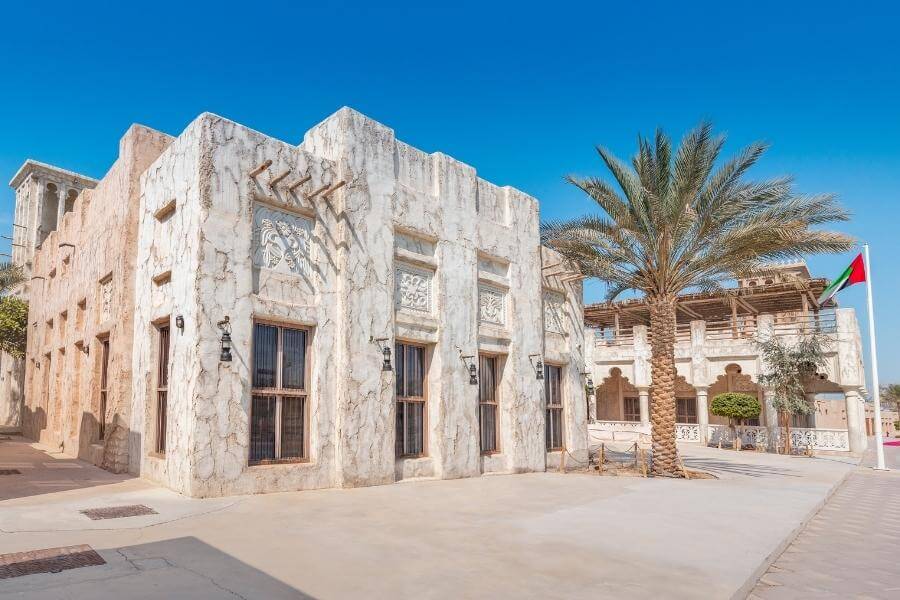
When you explore the Shindagha Historic District by Dubai Creek, you step into a living museum where traditional coral-stone houses and wind towers tell stories of the city’s origins. Walking along the waterfront promenade, you’ll feel the gentle breeze and see panoramic views that connect past and present. This area isn’t just about sights—it’s about experiencing the heritage that shaped Dubai. Uncover what makes Shindagha uniquely enchanting as you continue on.
What is Shindagha?
Shindagha is a historic neighborhood in Dubai, recognized as one of the city’s oldest districts, strategically located along Dubai Creek. This area was crucial for early settlers, facilitating trade and pearl diving, which were instrumental in shaping Dubai’s economic development. Visitors can explore traditional architecture, characterized by wind towers or “barjeel,” which were ingeniously designed to capture cool breezes before the advent of air conditioning.
As you navigate Shindagha’s narrow alleyways, you’ll encounter coral-stone houses that narrate the rich cultural heritage of Emirati families from centuries past. This neighborhood serves as a significant link between Dubai’s rapid modernization and its deep-rooted heritage, acting as a living museum where history seamlessly intersects with contemporary life along the creek’s shimmering waters.
For residents and newcomers alike, understanding Shindagha’s historical context enriches the experience of living in Dubai. It provides a unique opportunity to appreciate the architectural styles and lifestyle practices that have evolved over time. Exploring local attractions, such as the Dubai Museum and the Heritage Village, further enhances the understanding of the emirate’s cultural evolution. For practical insights on navigating this vibrant district, refer to the Dubai Culture & Arts Authority for current events and heritage programs that highlight Shindagha’s significance in Dubai’s cultural landscape.
Top Attractions in Shindagha
Shindagha is home to captivating sites like the Sheikh Saeed Al Maktoum House and the Perfume House, inviting visitors to delve into its rich cultural heritage.
Sheikh Saeed Al Maktoum House
Sheikh Saeed Al Maktoum House serves as a pivotal landmark in Dubai, offering deep insights into the city’s historical evolution. This meticulously preserved structure features traditional coral stone walls, wooden beams, and wind towers—architectural elements specifically designed to facilitate natural cooling in the desert climate. Visitors can navigate through various rooms that house exhibits featuring historical photographs, detailed maps, and artifacts that chronicle Dubai’s transition from a modest fishing village to a bustling modern metropolis.
As the former residence of Sheikh Saeed Al Maktoum, who ruled Dubai from 1921 to 1958, the house plays a crucial role in understanding the ruling family’s influence on the city’s development. Engaging with the exhibits not only enriches visitors’ knowledge of Dubai’s past but also enhances their appreciation for the cultural heritage that continues to shape the city today.
For those interested in exploring Dubai’s history, Sheikh Saeed Al Maktoum House is conveniently located in the Al Shindagha area, near other significant cultural sites such as the Dubai Museum and the historic Al Fahidi neighborhood. This makes it an ideal starting point for a comprehensive tour of Dubai’s heritage, seamlessly integrating with local narratives about the emirate’s rapid urbanization and modernization.
The Perfume House
After immersing yourself in the historical significance of Sheikh Saeed Al Maktoum House, your next stop should be The Perfume House, a vital destination for understanding the intricate art of traditional Arabian fragrance crafting, located in the Al Fahidi Historic District. This attraction is not just a cultural experience; it offers practical insights into the production of oud, a highly valued resin integral to Middle Eastern perfumes.
Visitors at The Perfume House can engage in a series of hands-on experiences that deepen their understanding of the fragrance-making process:
- Sensory Exploration: Guests can smell exotic ingredients such as ambergris, musk, and rose attar, each known for its distinct scent and cultural relevance. This experience highlights how these components contribute to the unique identity of Arabian fragrances.
- Perfume Blending Workshops: Here, attendees can learn the art of blending natural oils to create signature fragrances that embody the Bedouin heritage. This practical knowledge can enhance one’s appreciation of the craftsmanship involved in fragrance creation.
- Traditional Distillation Demonstrations: The Perfume House showcases traditional distillation techniques that have been preserved over generations, providing insight into the historical practices that continue to influence modern perfume making.
Visiting The Perfume House not only enhances your knowledge of Arabian culture, but it also illustrates the critical role that fragrance plays in the identity and traditions of the region. This sensory journey complements the visual history experienced at the Sheikh Saeed Al Maktoum House, making it an essential part of exploring Dubai’s rich heritage. For residents and newcomers alike, understanding this aspect of local culture is vital for deeper integration into the community and appreciation of its traditions.
Traditional Architecture Museum
A noteworthy destination within the Shindagha Historic District is the Traditional Architecture Museum, an essential site for anyone looking to understand Dubai’s architectural heritage. This museum provides an in-depth exploration of the region’s unique building styles, prominently featuring wind towers, or “barjeel.” These structures exemplify an ancient cooling system that effectively captures breezes to enhance ventilation in residential homes, a crucial adaptation for the city’s hot climate.
The museum’s exhibits highlight the use of locally sourced materials such as coral stone and gypsum, which are integral for their natural insulation properties and durability. Visitors will gain insight into how these materials were not only functional but also reflective of the environmental considerations of the time. The design of narrow alleys and courtyard houses illustrates the community’s social dynamics and environmental responsiveness, making it a significant study for those interested in sustainable urban planning.
Furthermore, this museum goes beyond mere structural displays; it narrates the stories of how these architectural forms have influenced daily life in Dubai. The integration of form and function in traditional architecture showcases the artistry inherent in the region’s building practices. For residents and newcomers alike, a visit to the Traditional Architecture Museum enriches their understanding of the cultural heritage that is woven into the fabric of every wall and archway in the historic district. This experience serves as a reminder of the importance of preserving such historical sites amidst the rapid modernization of Dubai.
Historic Dock
Exploring the Traditional Architecture Museum in Shindagha provides valuable insights into the cultural heritage of Dubai. Just a short distance away, the Historic Dock offers a tangible connection to the district’s maritime history, crucial for residents interested in understanding Dubai’s trading legacy. This dock was historically a bustling hub where traditional dhows were moored, playing a vital role in trade and pearl diving. The weathered wooden planks and sturdy beams of the dock narrate the stories of numerous voyages, underscoring Shindagha’s significance in linking the Arabian Gulf with global markets.
- Visitors can observe intricately crafted dhows, which exemplify traditional Emirati shipbuilding techniques and craftsmanship, often showcased by local artisans.
- Informative plaques around the dock provide context on its historical importance to regional commerce, essential for those looking to grasp the economic backdrop of Dubai.
- The dock also offers panoramic views of Dubai Creek, a historically significant waterway that has been integral to the city’s development and trade routes.
A visit to the Historic Dock not only enriches one’s understanding of Shindagha’s past but also enhances the appreciation of Dubai’s maritime culture, making it an essential stop for both newcomers and established residents seeking to deepen their historical knowledge of the city.
Waterfront Promenade
While walking along the Waterfront Promenade in Shindagha, residents and visitors can experience a unique blend of modern leisure and historical significance. This scenic pathway provides panoramic views of Dubai Creek, incorporating both traditional Emirati architecture and contemporary design elements.
The promenade features well-crafted benches and shaded resting areas that offer comfortable spots to relax. Informative plaques along the route present historical facts about Shindagha, enhancing the educational experience for those interested in Dubai’s rich heritage. The lively atmosphere encourages local engagement, making it an ideal location for both photography enthusiasts and individuals seeking a tranquil moment by the water.
Key Features of the Waterfront Promenade
| Feature | Description | Experience |
|---|---|---|
| Creek Views | Panoramic water scenes | Peaceful, scenic |
| Traditional Art | Murals and sculptures showcasing Emirati culture | Cultural, inspiring |
| Rest Areas | Benches and shaded spots for comfort | Comfortable, inviting |
| Informative Signs | Historical facts and tales about Shindagha | Educational, enriching |
| Walkway Design | A harmonious blend of traditional and modern styles | Unique, cohesive |
The promenade is not only a leisure space but also a conduit for understanding the local culture and history of Dubai. Residents looking to explore this area should consider visiting during cooler hours, especially in the morning or late afternoon, to enjoy the best experience while avoiding the heat.
How to Visit Shindagha
Shindagha is easily accessible by car or public transport along Dubai Creek. For the best experience, consider visiting during the cooler months and at optimal times for lighting.
Getting There
Reaching the Shindagha Historic District, a pivotal part of Dubai’s cultural tapestry, is both straightforward and enriching. Residents and visitors can select from multiple efficient transport options to access this vibrant heritage site, each providing a unique experience of the city’s historical essence.
- By Metro and Walking: Begin your journey by taking the Dubai Metro Green Line to Al Fahidi Station. From there, a brief stroll through the Al Fahidi neighborhood introduces you to the charm of Dubai’s historic quarters, where traditional architecture and art galleries converge. This route not only connects you with the past but also prepares you for the cultural immersion that awaits in Shindagha.
- By Taxi or Ride-Hailing Services: For a more direct approach, utilize local taxi services or ride-hailing apps like Careem or Uber. Both options provide convenient drop-off points near the district’s entrance, allowing for a seamless transition into the heart of Dubai’s heritage. This method is particularly favored for families or groups carrying luggage or young children.
- By Abra (Traditional Water Taxi): For an authentic Dubai experience, consider taking an abra from the Bur Dubai area across the Dubai Creek. This traditional water taxi ride not only offers stunning views of the surrounding skyline but also connects you with the historical significance of the Creek, which has been a lifeline for trade and transport for centuries.
Each of these transportation methods not only facilitates access to Shindagha but also enhances your overall experience, allowing you to appreciate the cultural richness that Dubai has to offer.
Best Time to Visit
Choosing the best time to visit Shindagha Historic District is essential for maximizing your experience of this significant cultural site in Dubai. The optimal months for exploration are from November to March, coinciding with Dubai’s mild weather conditions. During this period, daytime temperatures typically range from 20°C to 25°C (68°F to 77°F), making it ideal for leisurely walks along Dubai Creek while immersing yourself in the district’s rich history.
Visitors should avoid the intense heat of the summer months, which can make outdoor activities uncomfortable. Instead, planning your visit for early mornings or late afternoons is advisable; these times not only provide softer lighting for photography but also allow for more peaceful strolls through the area.
Additionally, aligning your visit with local festivals or cultural events—such as the Dubai Shopping Festival or the Dubai Food Festival—can significantly enhance your understanding and appreciation of Shindagha’s heritage. By selecting the right time to visit, you will be able to fully experience the vibrant atmosphere and historic charm of the district, ensuring a memorable and enriching experience.