

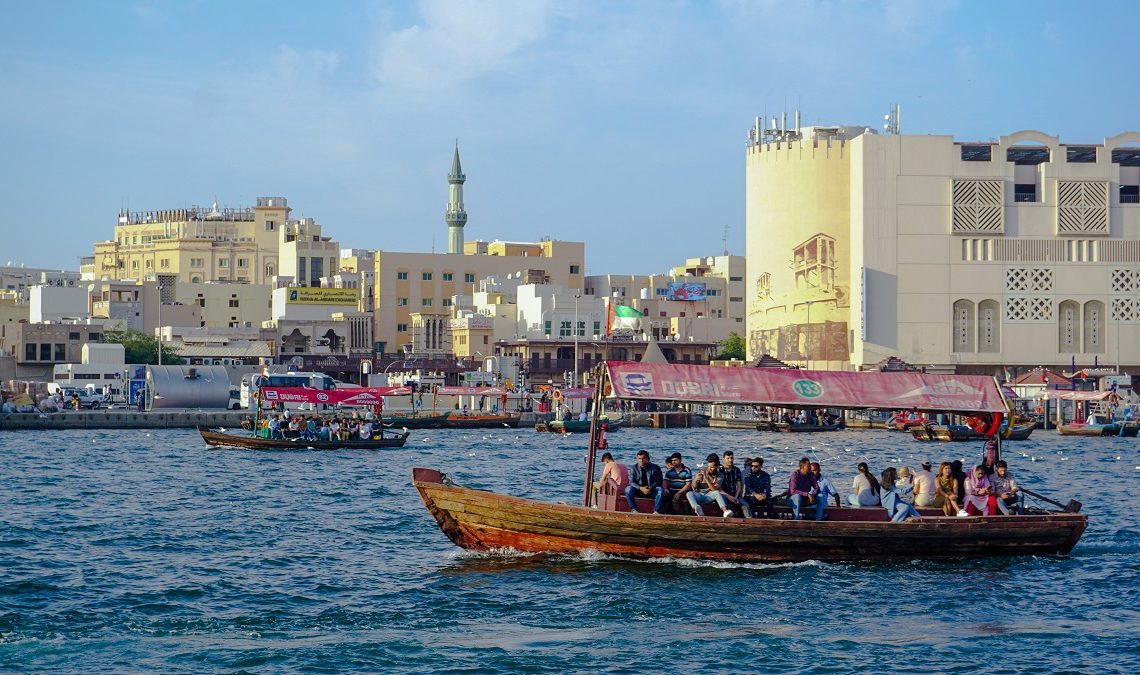
Step into the vibrant pulse of old Dubai by crossing its historic creek aboard an abra, a traditional wooden boat that’s both charming and affordable. As you glide between Deira and Bur Dubai, you’ll witness how the city’s past and present intertwine along the water’s edge. Once ashore, the Al Fahidi Historical Neighbourhood offers a fascinating glimpse into Emirati heritage through its preserved architecture and engaging museums. But there’s more waiting just beyond the creek’s shimmering surface…
The Heart of Old Dubai
Old Dubai, a region steeped in history, serves as a vital contrast to the ultra-modern skyline of the city. Situated along Dubai Creek, this area was once the epicenter of trade, linking the Arabian Peninsula with global markets. Residents and newcomers alike can explore traditional souks, such as the Spice Souk and Gold Souk, which offer a sensory immersion into Dubai’s rich trading heritage. These bustling markets are filled with local traders and artisans, providing an authentic glimpse into the city’s past.
Architectural features such as the wind-towered buildings, known as barjeel, are emblematic of Dubai’s historical design, constructed to harness the desert breeze for natural ventilation. As you navigate the narrow lanes of neighborhoods like Al Fahidi, you’ll discover how these traditional structures contribute to the cultural landscape of Dubai and reflect its evolution prior to the oil boom.
The iconic barjeel wind towers in Al Fahidi showcase Dubai’s traditional cooling methods and rich architectural heritage.
To fully appreciate the significance of Dubai Creek, residents should consider taking a traditional abra ride, which costs just AED 1 and provides a unique perspective of the area. This experience not only showcases the importance of the creek in shaping Dubai’s economy but also offers a scenic view of the contrasting modern developments that have risen alongside the historic district.
For those keen on understanding the interplay between heritage and modern life, visiting Al Seef—a waterfront destination that blends traditional architecture with contemporary amenities—is highly recommended. This area hosts various dining options and cultural events, making it an engaging point for both education and leisure. Emphasizing the importance of community engagement, initiatives by the Dubai Culture and Arts Authority allow residents to participate in local heritage programs that further connect them with the city’s storied past.
Getting There
Exploring the vibrant areas around Dubai Creek is not only a cultural journey but also a straightforward endeavor for residents and visitors alike. The accessibility of this historic waterway, located between the bustling districts of Deira and Bur Dubai, makes it a must-visit destination. Here are the most effective methods to reach Dubai Creek:
- Metro: Utilize the Dubai Metro by boarding the Red Line and disembarking at either Al Ras or Al Ghubaiba stations. Both stations are within a short walking distance to the scenic banks of Dubai Creek. The metro, operated by the Roads and Transport Authority (RTA), provides a fast and air-conditioned commute through the city’s modern infrastructure, making it an efficient choice for both newcomers and long-term residents.
- Taxi: For those who prefer a more personal travel experience, taxis are readily available throughout Dubai. They can take you directly to various key points along the Creek, such as the Dubai Creek Park or the Dubai Museum. Taxis in Dubai are metered and operated by the RTA, ensuring a reliable and comfortable ride.
- Bus: An economical alternative, several bus routes managed by the RTA service stops near Dubai Creek. Routes such as the 8 and 29 connect major residential areas to the Creek, offering a budget-friendly option for residents keen on exploring the area.
Each transport option serves as a gateway to the intersection of Dubai’s rich history and modern culture, ensuring that residents can readily embark on their explorations of this iconic locale.
Riding the Abra: Dubai’s Iconic Water Taxi
Riding the abra, the traditional wooden water taxi of Dubai, serves as a direct link to the city’s rich maritime heritage. These small, open boats, operated by the Dubai Transport Corporation, have been in service along Dubai Creek for decades, providing both residents and visitors with an authentic mode of transport. As passengers board, the skilled captains, often with years of experience, navigate the waters between the vibrant Deira and Bur Dubai districts, showcasing the bustling life along the creek.
The abra offers an authentic journey through Dubai Creek, connecting vibrant Deira and Bur Dubai with skilled captains at the helm.
For residents, the abra ride is not merely a means of transportation; it represents an economical and efficient commuting option. The fare for a single journey is only AED 1, making it an attractive alternative to road transport, especially during peak traffic hours. The panoramic views during the ride, which encompass both traditional souks such as the Gold Souk and modern skyscrapers like the Burj Khalifa, offer a unique perspective on the city’s blend of heritage and modernity.
To take an abra, one must simply head to one of the designated stations, such as the Al Sabkha station in Deira or the Bur Dubai station near the Dubai Museum. There is no need for prior booking, allowing for spontaneous excursions across the creek. The service operates daily from 5:00 AM to midnight, accommodating commuters at various hours.
Embracing this iconic water taxi not only enhances one’s experience of Dubai’s historical landscape but also supports local traditions, making it a culturally enriching journey. Whether you are a new resident or a long-term local, riding the abra is an essential part of understanding Dubai’s identity and its evolution as a city.
Al Fahidi Historical Neighbourhood (Bur Dubai Side)
As you explore Al Fahidi Historical Neighbourhood, prepare to immerse yourself in the captivating museums and cultural experiences that showcase Dubai’s historical essence.
Must-Visit Museums & Cultural Sites
Explore the Dubai Museum in Al Fahidi Fort for a glimpse into the city’s history, then discover the nearby Coin Museum for a look at ancient currency.
Dubai Museum (Al Fahidi Fort)
The Dubai Museum, situated within the historic Al Fahidi Fort, serves as a crucial repository of the city’s extensive history and cultural heritage, making it an essential destination for both newcomers and long-time residents. Visitors will encounter:
- Recreation of Traditional Emirati Life: Detailed dioramas illustrate the daily lives of Emiratis before the rapid urbanization, providing context for the cultural shifts that have shaped modern Dubai.
- Artifacts of Transformation: The museum displays a range of artifacts that trace Dubai’s evolution from a humble fishing village to a bustling metropolis. This transformation is documented with tangible evidence, allowing residents to appreciate the city’s growth through various historical periods.
- Interactive Exhibits on Key Industries: Engaging exhibits focus on the significance of pearling, trade routes, and survival skills in the harsh desert environment. These interactive components not only educate but also highlight the foundational industries that contributed to Dubai’s economic development.
For residents seeking deeper insights into this vibrant city, the museum offers a compelling narrative that connects the past with the present, making it a valuable resource for understanding Dubai’s identity.
Coin Museum
Located just a short walk from the Dubai Museum in the Al Fahidi Historical Neighbourhood, the Coin Museum offers residents and visitors an insightful exploration of the region’s economic history through its extensive collection of coins and currency. This specialized museum showcases rare coins from ancient Arabia and beyond, providing a context for understanding the significance of trade routes and the evolution of currency in shaping Dubai’s economic landscape.
Visitors can expect to learn about the impact of historical trade practices on modern economic development in Dubai. The museum highlights the role of currency in facilitating trade, which has been pivotal in transforming Dubai into a global trading hub. For those interested in the history of commerce and finance, the Coin Museum serves as an educational resource that connects the past with the present.
As part of your visit, consider exploring nearby attractions within the Al Fahidi Historical Neighbourhood, such as the Dubai Museum and the Sheikh Mohammed Centre for Cultural Understanding. This area is rich in heritage and provides a comprehensive understanding of Dubai’s cultural evolution. For logistical planning, be sure to check the museum’s opening hours and any special exhibitions that may enhance your experience.
Sheikh Mohammed Centre for Cultural Understanding (SMCCU)
The Sheikh Mohammed Centre for Cultural Understanding (SMCCU) serves as a vital hub for cultural exchange in Dubai, inviting residents and visitors to engage deeply with the rich traditions and customs of the UAE.
- Culinary Experiences: Participants can join guided cultural meals, which provide a firsthand opportunity to taste authentic Emirati cuisine. These meals are often held in traditional settings, allowing diners to explore the significance and history behind each dish, enhancing their culinary journey in the UAE.
- Heritage Tours: The center organizes enlightening heritage tours in Al Fahidi, one of Dubai’s oldest neighborhoods. These tours offer insights into the historical architecture and cultural heritage of the emirate, with expert guides providing context about the development of Emirati society and its values.
- Interactive Q&A Sessions: Open Q&A sessions about Emirati life and beliefs allow attendees to engage directly with knowledgeable Emirati hosts. This interaction fosters a better understanding of local customs, traditions, and the everyday realities of living in Dubai, making it a practical resource for both newcomers and long-term residents.
The SMCCU not only enriches the cultural landscape of Dubai but also enhances the overall experience of exploring Dubai Creek, ensuring that visitors leave with a nuanced appreciation of Emirati heritage.
Art & Cafés
Exploring the Al Fahidi Historical Neighbourhood in Bur Dubai reveals a dynamic intersection of art and cafés that encapsulate the area’s cultural essence. This neighborhood, known for its traditional wind-tower architecture, is home to numerous local galleries such as the Majlis Gallery, which showcases both traditional Emirati art and contemporary pieces by local artists.
Visitors can take a leisurely break at cafés like Arabian Tea House or Al Fanar Restaurant & Café, where they can enjoy authentic Arabic coffee and dates, offering a taste of local flavors. This blend of artistic expression and culinary delight provides a refreshing pause between visits to significant cultural sites like the Dubai Museum and the Sheikh Mohammed Centre for Cultural Understanding.
For those interested in the art scene, the Al Fahidi Historical Neighbourhood serves as a practical guide. Step 1: Visit local galleries to appreciate the diversity of Emirati art. Step 2: Enjoy a meal or snack at a nearby café to recharge. Step 3: Continue your exploration of the neighborhood’s historic sites, enhancing your understanding of Dubai’s rich heritage. This structured approach not only enriches the visitor experience but also promotes local businesses, fostering a deeper connection to the community.
The Deira Side: Souks & Spices
Crossing into Deira unveils a tapestry of vibrant souks, where scents and colors merge. The bustling atmosphere invites exploration before heading to the tranquil waters for a memorable cruise.
The Perfume Souk & Textile Souk
Nestled within the vibrant heart of Deira, the Perfume Souk and Textile Souk serve as essential destinations for both residents and visitors seeking to explore Dubai’s rich cultural heritage. These markets provide a unique shopping experience, combining sensory indulgence with historical significance.
- Perfume Souk: This renowned marketplace features a diverse array of aromatic treasures, including traditional oud, a prized resin known for its rich, complex scent, and a variety of attars that reflect the region’s fragrant legacy. Visitors can interact directly with skilled perfumers, gaining insights into the art of fragrance creation while discovering local brands such as Ajmal and Al Haramain, which offer authentic Arabian scents.
- Textile Souk: Just a short stroll away, the Textile Souk is a treasure trove of colorful fabrics, showcasing an impressive selection of silks, cottons, and intricately embroidered textiles. This market highlights the craftsmanship of local artisans and provides an opportunity to purchase unique items that contribute to the cultural tapestry of Dubai. Residents can find everything from traditional Emirati garments to contemporary fashion at competitive prices, often lower than those found in retail outlets.
- Bargaining Culture: Engaging in the traditional practice of haggling is a vital part of the shopping experience in both souks. This interactive process not only allows for price negotiation but also fosters connections with the traders, who often share stories about their products. Understanding this cultural norm can enhance your visit, making it more engaging and rewarding.
These markets not only offer a glimpse into Dubai’s past but also provide practical insights for navigating the city’s vibrant cultural landscape. Whether you’re a newcomer or a long-term resident, exploring the Perfume Souk and Textile Souk is an essential part of life in Dubai.
Deira’s Waterfront
Beyond the bustling Perfume and Textile Souks lies Deira’s waterfront, a vibrant area that encapsulates Dubai’s rich trading history. This lively stretch along Dubai Creek presents a unique sensory experience where the aromas of saffron, cardamom, frankincense, and myrrh waft through the air, essential ingredients in both Middle Eastern cuisine and perfumery.
As residents navigate the waterfront, they can engage with various vendors offering these spices, often found near the Al Seef district, an area known for its blend of traditional and modern Dubai. The presence of wooden dhows, which are integral to the region’s trading culture, contributes to the authenticity of this experience. Observing merchants as they skillfully weigh spices or negotiate prices provides insight into the age-old practices that still thrive in this part of the city.
For newcomers, exploring the Deira waterfront is not just a shopping trip; it is an immersion into Dubai’s cultural heritage. This area serves as a practical introduction to the city’s diverse offerings, making it essential for anyone looking to understand the local market dynamics. Whether you’re seeking to purchase spices for home cooking or simply wanting to enjoy the vibrant atmosphere, Deira’s waterfront stands as a vital hub that connects residents to the essence of Dubai’s trading legacy.
Book Dhow Cruise
A dhow cruise along Dubai Creek, particularly on the Deira side, presents a unique opportunity to engage with the city’s rich trading history and vibrant culture. When planning your dhow cruise, it is essential to consider specific factors that enhance your experience and provide practical insights into the local environment.
- Select an Evening Cruise: Opting for an evening cruise not only allows for cooler temperatures but also offers stunning views of the sunset over the historical waterfront of Dubai Creek. This timing is ideal for capturing picturesque moments against the backdrop of iconic landmarks such as the Dubai Museum and the Heritage Village.
- Onboard Commentary Options: It is advisable to choose cruises that feature knowledgeable guides or audio commentary. These resources provide context about the cultural significance of the spices and textiles you will encounter, deepening your understanding of the trade routes that have shaped Dubai’s economy. Look for companies such as Bateaux Dubai, which are known for their informative experiences.
- Comfort and Safety Features: Ensure that the dhow you select includes comfortable seating and adheres to safety regulations set by the Dubai Maritime City Authority. This ensures a relaxing cruise experience while complying with local safety standards.
The Perfect Half-Day Itinerary
Exploring Dubai Creek in just half a day requires strategic planning to maximize your experience.
Step 1: Abra Ride
Begin your adventure with a ride on an abra, the traditional wooden boat operated by the Dubai Abra Services. This iconic experience not only offers picturesque views of the Dubai Creek but also connects you to the historical heart of the city. The fare is minimal, typically AED 1, making it an affordable yet enriching mode of transport.
Step 2: Al Fahidi Historical Neighborhood
After disembarking, take a leisurely stroll through Al Fahidi Historical Neighborhood (formerly known as Bastakiya), known for its narrow lanes and intricately restored wind-tower houses. This area is a treasure trove of history, showcasing the UAE’s architectural heritage. Residents often recommend visiting the Sheikh Mohammed Centre for Cultural Understanding (SMCCU) for an authentic cultural experience and guided tours.
Step 3: Dubai Museum at Al Fahidi Fort
Next, visit the Dubai Museum housed within the Al Fahidi Fort. This compact museum presents a comprehensive overview of the emirate’s history and culture, featuring exhibits that highlight Dubai’s transformation from a fishing village to a bustling metropolis. The entry fee is nominal, usually around AED 3, making it an accessible stop for all.
Step 4: Souk Exploration
Conclude your half-day itinerary with a visit to the nearby souks, particularly the Gold Souk and Spice Souk. Located in Deira, these vibrant markets offer a sensory overload of sights, sounds, and smells. The Gold Souk is renowned for its extensive selection of gold jewelry, while the Spice Souk delights with its array of aromatic spices and herbs. Engaging with local vendors can also provide insights into the cultural significance of various goods.
This half-day plan effectively combines historical exploration, cultural immersion, and sensory experiences, offering a well-rounded glimpse into the essence of Dubai Creek.
Beyond the Creek: Nearby Attractions
After exploring Dubai Creek, continue your adventure at nearby attractions like Al Seef, the Dubai Frame, and the Bastakiya Quarter.
Al Seef
Al Seef, located adjacent to the vibrant Dubai Creek waterfront, presents a compelling fusion of traditional Emirati architecture and contemporary design. This district not only reflects Dubai’s rich cultural heritage but also serves as a practical destination for residents and newcomers alike. Here’s a structured approach to exploring Al Seef:
- Promenade Experience: Begin your visit with a stroll along the promenade, where coral stone buildings illustrate the historical essence of Dubai. This scenic route offers insight into the emirate’s architectural evolution, making it an ideal location for photography and leisurely walks.
- Local Artisans and Dining: Al Seef is home to numerous boutique shops and cafes that specialize in authentic local crafts and culinary delights. Engaging with these artisans not only supports local businesses but also provides an opportunity to purchase unique souvenirs that reflect Dubai’s craftsmanship. For dining, consider options such as the waterfront restaurants that offer traditional Emirati cuisine, providing an immersive cultural experience.
- Waterfront Views: The dining venues along the Creek offer breathtaking views of the waterway, creating a relaxing atmosphere to unwind after a day of exploration. These establishments often feature menus that highlight local ingredients and flavors, enhancing your understanding of Dubai’s culinary scene.
Al Seef’s integration of historical and modern elements makes it a must-visit district, enriching residents’ appreciation of Dubai’s evolving identity while providing practical insights into local culture and community.
Dubai Frame
Dubai Frame serves as a pivotal landmark that encapsulates the emirate’s evolution, offering a unique perspective on both its historical and modern landscapes. Standing at 150 meters, this monumental structure is strategically located near Dubai Creek, an area rich in cultural heritage. Visitors can experience panoramic views that juxtapose the traditional architecture of old Dubai with the contemporary skyline, effectively framing the city’s past and future.
To maximize your visit to Dubai Frame, start by exploring the interactive exhibits that detail Dubai’s transformation from a modest fishing village into a global metropolis. These exhibits, which are designed to engage and educate, facilitate a deeper understanding of the emirate’s rapid development. The facility also features a glass-floored sky deck, where you can feel suspended between two eras, providing an exhilarating viewpoint that enhances the experience.
When planning your visit, consider the best time to go for optimal visibility and fewer crowds. It is advisable to book your tickets in advance through the official Dubai Frame website to avoid long queues. The attraction is easily accessible via the Dubai Metro, with the nearest station being Al Jafiliya, making it convenient for both residents and tourists.
Visiting Dubai Frame not only enriches one’s understanding of the city’s historical context but also showcases its ambitious spirit. The attraction is a testament to Dubai’s commitment to innovation and progress, making it an essential stop for anyone looking to grasp the holistic narrative of life in Dubai.
Bastakiya Quarter
Wandering through the narrow alleyways of Bastakiya Quarter, residents and visitors alike discover a historic district that encapsulates the essence of Dubai’s early days. This area, officially known as Al Fahidi Historical Neighborhood, features meticulously preserved wind-towered buildings that exemplify traditional Emirati architecture, designed to naturally cool interiors in the harsh desert climate. As you navigate the streets, you’ll encounter a variety of cultural entities, including art galleries, quaint cafés, and heritage centers, all of which contribute to the neighborhood’s vibrant atmosphere. To fully appreciate the offerings of Bastakiya, consider these key highlights:
- Wind Towers (Barjeel) – The wind towers are innovative structures historically used to capture and channel cool breezes into homes, serving as an early form of air conditioning. They are a defining feature of the district’s architecture and provide insight into sustainable living practices of the past.
- Art and Heritage Exhibits – The neighborhood is home to numerous galleries and museums, such as the Sheikh Mohammed Centre for Cultural Understanding, where visitors can engage with Emirati art and heritage. These institutions offer workshops and tours that deepen understanding of local culture and traditions.
- Coffee Museum – A must-visit for coffee enthusiasts, the Coffee Museum showcases the rich history of coffee in the region, from its origins to its cultural significance in Emirati society. It offers tastings and educational sessions, enhancing the experience for both locals and tourists.
Each step through Bastakiya connects individuals to Dubai’s cultural roots while highlighting the harmonious blend of past and present. For residents considering a visit, it is advisable to check the opening hours of specific galleries and museums, as many operate on a schedule that aligns with cultural events and exhibitions throughout the year.