

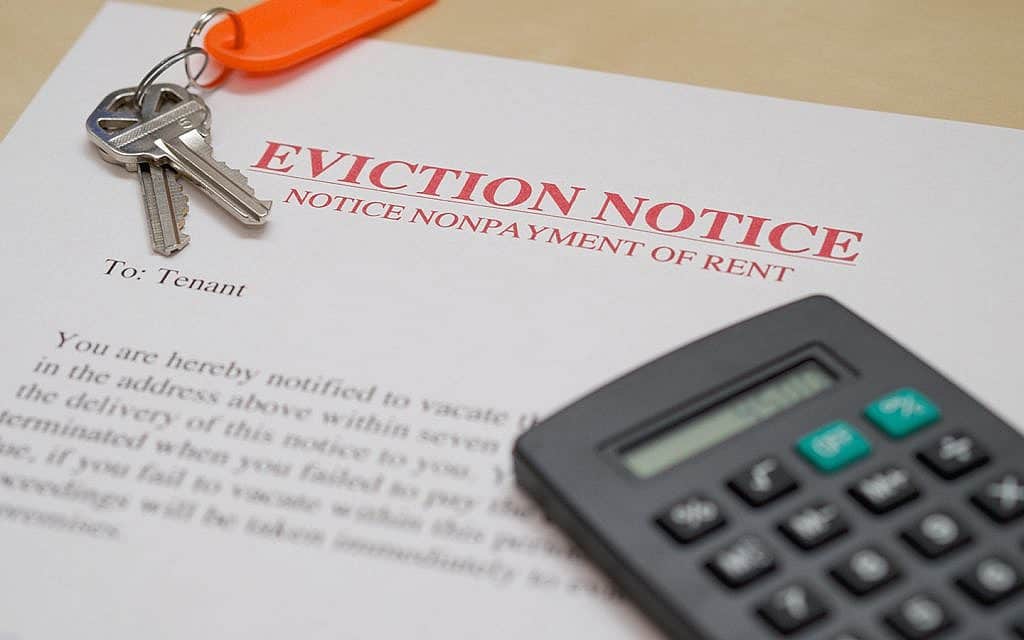
Did you know landlords in Dubai must follow strict rules before evicting tenants, including issuing a formal payment notice if rent is unpaid? These guidelines, set by RERA, protect your rights and guarantee fair treatment. From misuse of the property to reclaiming it for personal use, understanding these regulations is essential for every resident. Keep this in mind—you might be surprised by what happens when your tenancy contract ends.
Rera Tenancy Law Regarding Eviction Notice
RERA tenancy law outlines specific grounds for eviction notices, ensuring both tenants and landlords are aware of their rights and responsibilities.
Failure To Pay Rent
One of the primary reasons landlords issue eviction notices in accordance with Dubai’s Real Estate Regulatory Agency (RERA) tenancy laws is the tenant’s failure to pay rent punctually. According to the regulations, if rent is not paid within 30 days following a formal payment notice from the landlord, the landlord is entitled to issue an eviction notice. This provision safeguards landlords against extended periods of nonpayment, ensuring that rental agreements are upheld.
Tenants should diligently monitor their rent due dates and maintain open lines of communication with their landlords if financial difficulties arise. It is crucial to address payment issues proactively; neglecting to pay rent can result in eviction, which can have significant implications for one’s housing stability. Understanding these legal frameworks is essential for tenants to foster a positive rental history and mitigate potential disputes.
For a smooth renting experience in Dubai, tenants should familiarize themselves with their obligations under RERA’s tenancy laws. This knowledge not only helps in avoiding conflicts but also empowers residents to navigate the rental market effectively, ensuring compliance with local regulations while enjoying their living arrangements in neighborhoods throughout Dubai.
Misuse Of The Property
Renting a property in Dubai offers flexibility, but it also comes with significant responsibilities. Adhering to the terms outlined in your tenancy contract is crucial to avoid eviction under the Real Estate Regulatory Agency (RERA) rules. Misuse of the property can manifest in various ways, including violating laws, causing damage, or engaging in activities that contravene moral standards. Landlords have the right to issue an eviction notice if tenants:
- Utilize the property in a manner that breaches the tenancy agreement or established moral codes.
- Inflict damage on the property or jeopardize its safety without prior consent.
- Neglect their obligations as stipulated by RERA and the lease agreement.
These actions can lead landlords to demand eviction within 30 days, supported by official documentation if necessary. Understanding the implications of property misuse is essential for protecting your rights and ensuring a harmonious rental experience in Dubai. For additional clarity, tenants are encouraged to familiarize themselves with RERA’s guidelines and their specific lease terms, as this knowledge can significantly impact their rental journey.
Sub-leasing The Property
Sub-leasing the property without the landlord’s consent is a critical issue under Dubai’s tenancy laws, with serious implications for tenants. According to the Dubai Rental Law, specifically Law No. 26 of 2007, unauthorized sub-leasing is strictly prohibited. Tenants who choose to rent out their leased property without obtaining explicit written approval from their landlord face a range of consequences.
For instance, if the landlord discovers unauthorized sub-leasing, they are entitled to issue an eviction notice, requiring both the tenant and the sub-tenant to vacate the property promptly. This action can disrupt not only the tenant’s living situation but also potentially lead to financial disputes, as the sub-tenant may seek compensation for any inconveniences or losses incurred due to the abrupt termination of their housing arrangement.
To navigate the complexities of sub-leasing in Dubai effectively, tenants should follow a clearly defined process. Step 1: Review the lease agreement to understand the stipulations regarding sub-leasing. Step 2: Contact the landlord to request permission in writing, providing details about the prospective sub-tenant. Step 3: Await the landlord’s response, and if approved, ensure that the sub-lease agreement is documented to protect all parties involved.
Understanding these regulations and procedural steps is crucial for tenants who wish to maintain their rights and uphold a positive relationship with their landlords. This knowledge not only safeguards against potential legal issues but also enhances the overall rental experience in Dubai’s dynamic housing market.
Damaging The Rental Property
If tenants inflict damage on a rental property or jeopardize its safety, they may face an eviction notice pursuant to the Real Estate Regulatory Agency (RERA) tenancy laws in Dubai. These regulations are designed to protect landlords by mandating that tenants uphold the property in a satisfactory condition. Here’s what Dubai residents should understand about maintaining rental properties:
- Damage or Misuse: Inflicting harm to the structural integrity, fixtures, or fittings can lead to eviction, particularly if such damage compromises safety standards or breaches the rental contract. Tenants should be aware that even minor damages can lead to significant repercussions.
- Unauthorized Modifications: Making alterations to the property without obtaining prior approval from the landlord or the Dubai Municipality is strictly forbidden and constitutes grounds for eviction. This includes changes such as painting, remodeling, or installing new fixtures without permission.
- Technical Reports and Eviction Notices: Landlords have the right to submit official technical reports that document any damage incurred. Such reports can lead to a formal eviction notice, requiring tenants to vacate the premises within 30 days. It is advisable for tenants to document the property’s condition upon moving in to safeguard against unfounded claims.
Eviction Notice After Tenancy Contract Ends
When your tenancy ends, specific conditions allow your landlord to request eviction, ensuring you understand your rights during this transition.
Demolition Or Renovation Of The Property
In Dubai’s dynamic real estate market, landlords may need to reclaim their properties for demolition or significant renovations following the end of a tenancy contract. Understanding the legal procedures is crucial for tenants to safeguard their rights. Here are three essential steps to be aware of:
- Technical Report Requirement: Landlords must obtain a technical report from Dubai Municipality, which verifies the necessity for demolition or major renovations. This report serves as a foundational document demonstrating compliance with local regulations.
- Official Approval: Before serving an eviction notice, landlords are required to secure official approval from relevant authorities, such as the Dubai Land Department. This ensures that all legal channels are followed, providing a transparent basis for the eviction.
- Timing of Eviction Notice: It is imperative that the eviction notice is issued only after the tenancy contract has expired. This rule is designed to protect tenants, ensuring they are not displaced prematurely and that their rights under the lease are upheld.
For Landlords’ Use
In Dubai, tenancy contracts offer tenants a defined period of occupancy, yet landlords retain the right to reclaim their property for personal use upon the lease’s conclusion. For landlords intending to occupy the property themselves or for a first-degree relative, it is essential to issue a formal eviction notice 90 days prior to the lease expiration. This notice is crucial as it provides tenants ample time to seek alternative housing arrangements.
Upon regaining possession of the property, landlords must adhere to a stipulation that prohibits them from renting it out again for a minimum of one year. This regulation is designed to ensure fairness and transparency in the rental market, balancing the rights of landlords with the security of tenants. Understanding these legal obligations is vital for landlords, as it not only facilitates compliance with Dubai’s Real Estate Regulatory Agency (RERA) guidelines but also promotes a respectful landlord-tenant relationship built on clear communication.
For landlords navigating these regulations, it’s advisable to consult with real estate professionals or legal experts familiar with Dubai’s tenancy laws to ensure all processes are followed correctly. This approach will foster a positive rental experience for both parties involved.