

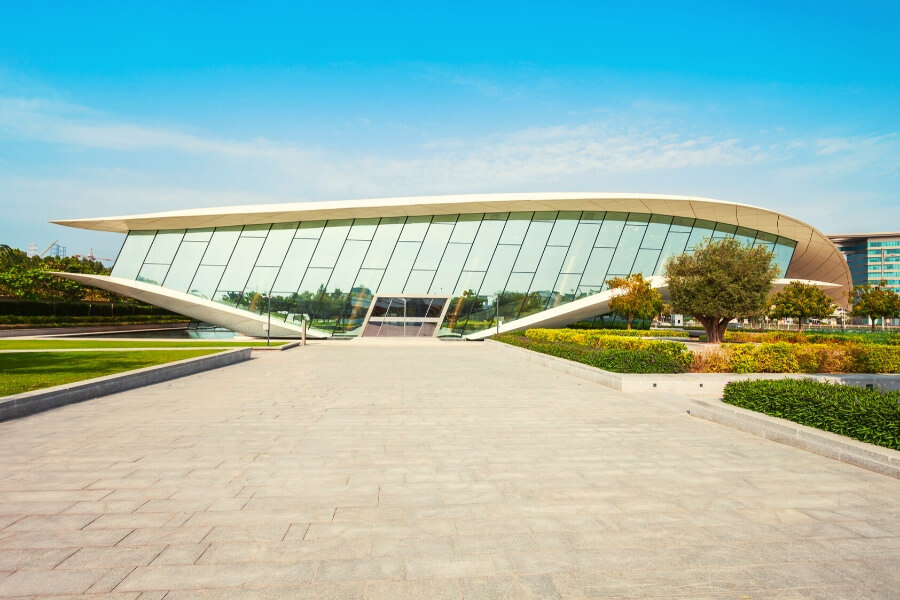
Did you know that the UAE was formed relatively recently, in 1971, through a remarkable unification of seven emirates? At the Etihad Museum in Dubai, you can explore this fascinating journey of transformation from traditional tribes to a modern state. With interactive exhibits and historical artifacts, the museum offers an engaging experience that highlights the nation’s rich heritage. Curious about what else awaits you at this unique destination?
A Short History of the UAE
The history of the United Arab Emirates (UAE) is a compelling narrative that intricately connects the seven Emirates, each playing a vital role in shaping the nation’s identity. From the bustling commercial hub of Dubai to the political epicenter of Abu Dhabi, these Emirates possess unique characteristics that contribute to the overall landscape of the UAE. Prior to their unification in 1971, these regions were collectively referred to as the Trucial States, navigating through various colonial influences and significant trade routes.
The discovery of oil in the 1950s marked a pivotal turning point, radically shifting the economic framework and ambitions of these Emirates. For residents seeking to understand the impact of this transition, it’s essential to recognize how oil revenues catalyzed infrastructure development across cities like Dubai and Abu Dhabi, leading to modern amenities and services that are now integral to daily life.
As part of understanding the UAE’s journey, newcomers can explore the vision articulated by the founding fathers, which laid the groundwork for unity and progress. This vision is embodied in initiatives supported by entities such as the UAE Government and local authorities, which have fostered collaboration among the Emirates. For instance, the Dubai Investment Development Agency (Dubai FDI) plays a crucial role in driving economic growth, while the Abu Dhabi Vision 2030 outlines a roadmap for sustainable development.
In delving into this remarkable tale of collaboration and growth, residents can appreciate how these historical milestones inform the UAE’s modern identity and governance structure. This understanding is vital for navigating life in Dubai today, whether one is establishing residency or seeking to engage with the local community.
The Etihad Museum – What’s Inside
Visiting the Etihad Museum in Dubai provides an insightful exploration of the UAE’s history, particularly the pivotal years from 1968 to 1974, which marked the nation’s unification. The museum, characterized by its striking white roof that resembles a folded manuscript, is situated in the Jumeirah district, a neighborhood known for its cultural landmarks and proximity to the coastline.
Explore the Etihad Museum in Dubai for a captivating journey through the UAE’s unification and rich history.
Upon entering the Founding Father’s Hall, visitors can delve into the narratives of the seven Sheikhs who played a critical role in the formation of the UAE. This exhibit includes detailed family trees and artifacts that showcase their contributions, aligning closely with the UAE’s broader historical narrative. Moreover, the museum features interactive pavilions that offer a wealth of memorabilia, encouraging deeper engagement with the UAE’s past.
For those looking to understand the significance of oil exploration and the evolution of the Trucial States, the museum presents a comprehensive array of photographs and documentary films. These exhibits serve not only as educational tools but also as reflections of the UAE’s transformative journey towards unity. Each section of the museum is designed to provide a rich, contextual understanding of the events that shaped the nation, effectively catering to both newcomers and long-term residents seeking to deepen their knowledge of local history.
In addition, the Etihad Museum is conveniently located near other notable attractions, such as the Dubai Water Canal and the Jumeirah Mosque, making it an ideal starting point for a day of cultural exploration in Dubai. Visitors are encouraged to check the official website for current opening hours and ticketing information, ensuring a well-planned visit to this significant cultural institution.
Union House & Flag Pole
Union House is a critical historical site located within the Etihad Museum, situated in the Jumeirah area of Dubai. This landmark is recognized as the location where the UAE’s constitution was signed in 1971, marking a transformative moment in the nation’s history. The round structure symbolizes the unity of the seven emirates and serves as a tribute to their collaborative spirit—a theme that resonates deeply in Dubai’s diverse culture.
Adjacent to Union House stands the notable 123-meter flagpole, which prominently displays the UAE flag. This flagpole is not just a visual landmark; it represents national pride and identity, making it a significant feature for both residents and visitors. While many tourists may overlook Union House, its historical importance is profound. It encapsulates the essence of the UAE’s unification journey, offering insights into the foundational values that have shaped the nation.
For residents and newcomers seeking to understand Dubai’s rich heritage, a visit to Union House is essential. The Etihad Museum itself offers guided tours that delve deeper into the UAE’s history, including the events leading up to the formation of the federation. Engaging with this piece of history not only enriches one’s understanding of national identity but also fosters a connection to the cultural fabric of Dubai.
Incorporating visits to Union House into your exploration of Dubai adds depth to the experience, providing a reflective contrast to the city’s modern attractions. Don’t miss the opportunity to immerse yourself in the pivotal moments that have defined the UAE; this experience is a gateway to appreciating the nation’s roots as well as its dynamic present.
Etihad Museum Entry Costs
When planning a visit to the Etihad Museum, located in the heart of Dubai, prospective visitors will find that entry costs are designed to accommodate a diverse range of budgets, making this cultural experience accessible to all. Here’s a detailed breakdown of the ticket prices:
Planning a visit to the Etihad Museum? Discover affordable entry costs that make this cultural experience accessible for everyone.
- Adults: 25 AED
- Groups: 20 AED (available for groups of 10 or more)
- Students: 10 AED (applicable for individuals aged 5 to 24)
- Children under 5 & People of Determination: Free entry
These competitive prices ensure that families, students, and other visitors can engage with the rich history and heritage of the United Arab Emirates without incurring significant expenses. The Etihad Museum provides an excellent opportunity to delve into the nation’s past, enhancing the cultural fabric of Dubai.
Visitors are encouraged to check the Etihad Museum’s official website for information on special events or exhibitions that may coincide with their visit. This proactive approach can enrich your experience, offering insights into the UAE’s historical milestones and contemporary relevance.
Best Time to Visit Etihad Museum
Visiting the Etihad Museum in Dubai offers a unique opportunity to explore the rich history of the United Arab Emirates, particularly its formation and cultural evolution. The museum is open daily from 10:00 AM to 8:00 PM, with the last entry at 7:00 PM. To ensure a rewarding experience, visitors should plan their trips strategically, especially if they wish to avoid crowds.
For those seeking a quieter visit, it is advisable to steer clear of peak hours when local school groups typically visit, which is usually from opening until around 2:00 PM. This allows for a more intimate exploration of the exhibits without the distraction of larger groups. Additionally, the museum offers guided tours at 12:00 PM and 5:00 PM, providing deeper insights into the displays and the significance of various artifacts. Engaging in these tours can enhance understanding of the UAE’s history, making it a worthwhile option for visitors interested in a comprehensive experience.
To further enrich your visit, keep an eye on the museum’s calendar for any special events or exhibitions hosted by the Dubai Culture and Arts Authority, which manages the museum. These events can provide additional context and engagement opportunities regarding the UAE’s heritage and contemporary cultural landscape. By planning ahead and being mindful of peak visiting hours, you can fully appreciate the immersive experience that the Etihad Museum has to offer.
How to Get to Etihad Museum
Reaching the Etihad Museum, located in the Port Rashid area on Jumeirah Road, is manageable even though it may not be a primary stop for tourists in Dubai. It is conveniently situated adjacent to the end of 2 December Street, making it identifiable for those familiar with the area.
While direct public transportation options are limited, utilizing taxi services is a dependable choice. Residents should communicate their destination as Union House, as this landmark is well-known among taxi drivers. This approach ensures a straightforward journey to the museum, which showcases the UAE’s rich history through its impressive architecture and interactive exhibits.
Upon arrival, visitors can expect to immerse themselves in a diverse array of engaging displays and historical artifacts that vividly illustrate the nation’s past. The Etihad Museum is not just a cultural site; it serves as an essential educational resource for understanding the formation and evolution of the United Arab Emirates. Residents and newcomers alike will find the experience both enlightening and worthwhile, making the trip to this cultural institution a valuable part of life in Dubai.