

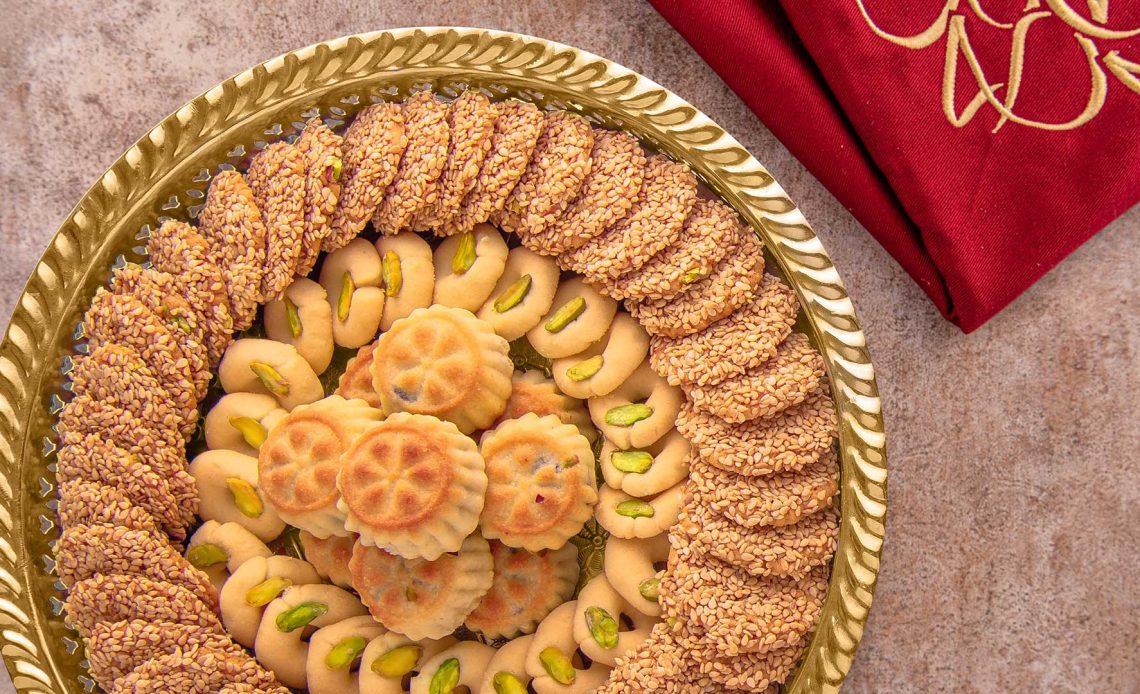
Envision a treasure chest filled with golden threads of crispy Kunafa and honey-soaked Baklava, each bite revealing layers of history and flavor. In Dubai, traditional Arabic sweets aren’t just desserts—they’re stories crafted from delicate pastries, aromatic spices, and rich syrups. Regardless of your craving for the soft, fragrant Basbousa or the tiny, syrupy Luqaimat, these treats invite you to explore a culinary heritage that’s as vibrant as the city itself. Ready to uncover what makes these sweets truly unforgettable?
Kunafa
Kunafa, a cherished dessert in Dubai and the broader Arab world, stands out for its unique texture and rich flavors, making it a staple for both residents and visitors. This dessert features a crispy, golden crust crafted from fine vermicelli-like pastry known as kataifi or semolina dough. Inside, diners will find a soft, stretchy layer filled with either sweet cheese or creamy clotted cream (referred to as ashta), offering a delightful contrast between the crunchy exterior and the smooth filling.
The preparation of Kunafa is often accompanied by fragrant sugar syrup infused with rose or orange blossom water, which adds a distinct floral sweetness that enhances the overall experience. This dessert is particularly popular during festive occasions, making it a must-try for anyone seeking to explore the culinary traditions of Dubai.
For those looking to enjoy Kunafa, several renowned establishments such as Al Samadi Sweets in Al Qusais or Kunafa House in Al Karama offer authentic versions of this dessert. Prices typically range from AED 20 to AED 50, depending on the size and ingredients, providing options for different budgets. Residents can enjoy this treat warm or at room temperature, ensuring that it fits into various dining preferences, whether at home or at a local café.
Basbousa / Harissa
While Kunafa captivates with its layered textures and creamy fillings, Basbousa, also known as Harissa in some regions, offers a contrasting experience rooted in its moist, grainy texture and simple sweetness. This traditional semolina cake is soaked in fragrant sugar syrup, often infused with rosewater or orange blossom, which seeps into every crumb, creating a tender yet slightly coarse bite.
When you explore Basbousa in Dubai, particularly at renowned eateries like Al Samadi Sweets in Al Quoz or the popular Al Shami Restaurant in Dubai’s Deira district, you’ll notice how its golden crust complements the soft interior, a balance achieved through careful baking. Some variations incorporate coconut flakes or almonds on top, enhancing both flavor and texture.
This dessert’s straightforward ingredients and method highlight the beauty of simplicity in Arabic sweets, making it a must-try that satisfies your sweet tooth without overwhelming your palate. For residents looking to indulge, a slice of Basbousa typically costs between AED 10 to AED 20, depending on the establishment, providing a delightful yet economical treat.
Umm Ali / Arabic Bread Pudding
Umm Ali, a beloved dessert in Dubai, exemplifies the region’s culinary heritage with its rich layers of puff pastry or bread immersed in a sweet, creamy milk blend infused with cardamom and a variety of nuts. This traditional Arabic bread pudding offers a warm symphony of textures, combining a soft, milky base with the crunch of almonds, pistachios, and occasionally raisins. While its roots trace back to Egypt, Umm Ali has become a staple in Dubai’s diverse food scene, celebrated for its fragrant spices and nutty flavors.
For residents looking to indulge in Umm Ali, various local eateries and restaurants specialize in this dish. Notable establishments include Al Fanar Restaurant & Café in Dubai Festival City and the iconic Arabian Tea House in Al Fahidi, both offering authentic takes on this traditional dessert. For a cozy evening or festive gathering, serving Umm Ali hot enhances its aromatic qualities, making it a comforting choice for cooler nights.
When comparing options, it’s essential to consider the ambiance and service style of each restaurant. Al Fanar, for example, provides a family-friendly environment with a focus on heritage, while Arabian Tea House offers a more casual, relaxed dining experience.
For those seeking to recreate this delicacy at home, sourcing quality ingredients is crucial. Look for fresh puff pastry or high-quality bread from local bakeries, and visit spice markets like the Dubai Spice Souk for authentic cardamom and nut selections. This hands-on approach not only enhances the flavor but also allows residents to customize the dessert to their taste preferences.
Baklava
Baklava is a quintessential sweet that exemplifies the rich culinary heritage of Dubai, a city renowned for its vibrant food scene. This traditional Arabic dessert features layers of thin, flaky phyllo dough, which are expertly crafted to create a delicate texture. When indulging in baklava, residents and visitors alike will experience the satisfying crunch that yields to a luxurious filling of finely chopped nuts, typically pistachios or walnuts, seasoned with aromatic spices such as cinnamon.
The preparation of baklava involves soaking the entire pastry in a syrup made from honey or sugar, often enhanced with rosewater or lemon. This syrup not only adds sweetness but also contributes to the sticky finish that characterizes this beloved treat. The balance of crunchy layers, nutty richness, and sugary glaze makes baklava a favorite among many Dubai residents, whether enjoyed as a standalone dessert or paired with coffee at local cafés.
For those looking to explore baklava in Dubai, popular spots include Al Hallab, which offers a variety of traditional Arabic sweets, and the renowned Bateel, known for its premium quality dates and gourmet baklava. Residents should note that prices for a box of baklava can range from AED 30 to AED 100, depending on the quality and quantity.
When sampling baklava in Dubai, one is not just savoring a dessert; one is partaking in a centuries-old tradition that reflects the city’s diverse culinary landscape. This dessert serves as a testament to the craftsmanship and flavors that continue to resonate with both locals and visitors, satisfying sweet cravings across cultures.
Luqaimat / Logma
Luqaimat, commonly referred to as Logma in various regions, are small, golden dumplings that have gained popularity as a cherished street food and festive delicacy across Dubai. These treats offer a unique culinary experience, characterized by a satisfying contrast of textures—crispy on the outside and soft on the inside. The allure of Luqaimat lies in their balanced flavor profile, which combines sweetness with a hint of aromatic spices. Below is a detailed overview of what makes Luqaimat an essential part of Dubai’s food culture:
- Ingredients: Luqaimat are crafted from a straightforward batter comprising flour, yeast, sugar, and can include saffron or cardamom for added aromatic depth. These ingredients are readily available in local supermarkets such as Carrefour or Lulu Hypermarket, making it accessible for residents interested in trying their hand at making Luqaimat at home.
- Cooking Method: The dumplings are traditionally deep-fried, causing them to puff up and achieve a golden hue, which results in a delightful crunch. For those seeking to explore the best places to indulge in Luqaimat, popular spots include Al Samadi Sweets in Deira and the renowned Luqaimat stand at Global Village, both of which provide an authentic taste of this Emirati dessert.
- Serving Style: Luqaimat are typically served drizzled with rich date syrup or honey, and often garnished with sesame seeds, enhancing their flavor and visual appeal. Residents can enjoy these treats during festive occasions or as a sweet snack, making them a versatile option for different settings, from family gatherings to casual outings.
For newcomers wishing to immerse themselves in authentic Emirati hospitality, indulging in Luqaimat serves as an excellent introduction to the rich tapestry of traditional Arabic sweets available in Dubai. With numerous vendors and cultural experiences surrounding this dish, it reflects the city’s vibrant culinary landscape, making it a must-try for anyone residing in or visiting Dubai.
Mahalabia / Arabic Milk Pudding
When exploring traditional desserts in Dubai, Mahalabia, or Arabic Milk Pudding, stands out as a favored choice among residents. This creamy treat is crafted from essential ingredients such as milk, sugar, and starch, which are carefully cooked to achieve a custard-like consistency. The addition of aromatic elements like rose water or orange blossom water not only enhances the flavor but also aligns with the broader culinary traditions found in Dubai.
For those interested in tasting Mahalabia, many restaurants and cafes across the city offer this dessert, often garnished with crushed pistachios or a drizzle of date syrup. Notable venues like Al Samadi Sweets in Al Karama and Bateel Café in various locations provide a quality experience, showcasing the importance of ingredient sourcing in crafting this delicacy.
Residents should consider that Mahalabia is best enjoyed chilled, making it an ideal palate cleanser after a rich meal. This dessert highlights the simplicity and quality of its components, which resonates well with families seeking lighter options or single professionals looking for a quick, satisfying treat.
In terms of cost, Mahalabia typically ranges from AED 15 to AED 30 depending on the establishment, making it an accessible indulgence within the diverse culinary landscape of Dubai. Understanding these nuances can enhance a resident’s dining experience, especially when exploring the rich tapestry of Arabic cuisine.
Maamoul
Maamoul, a cherished traditional pastry widely enjoyed in Dubai, epitomizes the rich tapestry of Arabic confectionery. This delectable treat features a crisp, buttery shell that encases a variety of rich fillings, which can differ by region and occasion, making it an integral part of Dubai’s culinary heritage. Here’s a closer look at what distinguishes Maamoul:
- Diverse Fillings: The fillings of Maamoul typically include dates, pistachios, or walnuts. Each filling not only enhances the flavor profile but also reflects the local preferences, making it essential for residents and visitors to explore different variations available at local bakeries such as Al Samadi Sweets in Al Quoz or Al Bait Al Mandi in Deira.
- Handcrafted Molds: The intricate patterns pressed onto each Maamoul are not merely decorative. These designs indicate the filling type, providing a visual cue that’s beneficial for consumers. Bakeries often use traditional wooden molds, which can be found in cultural markets like the Souk Madinat Jumeirah, where visitors can also learn about the molding process.
- Festive Staple: Maamoul is particularly prominent during religious holidays such as Eid and Easter. Its preparation and sharing symbolize hospitality and community spirit, making it a must-have item in many households across neighborhoods in Dubai, including Jumeirah and Al Ain.
For those interested in experiencing authentic Maamoul, it’s advisable to visit traditional pastry shops that adhere to age-old recipes. This pastry not only provides a delightful culinary experience but also serves as a connection to the cultural practices and celebrations that define life in Dubai.
Qatayef / Atayek
Another cherished dessert integral to Dubai’s festive culture is Qatayef, also referred to as Atayek. This traditional dish features delicate, crescent-shaped pancakes filled with a variety of ingredients, including sweet cheese, crushed nuts, or creamy custard, making it a versatile option for different palates. When these pancakes are fried or baked to a golden perfection, they achieve a crisp exterior that contrasts with their soft, rich filling.
Post-cooking, they receive a generous drizzle of fragrant sugar syrup, enhancing their sweetness and providing a glossy finish. Qatayef is particularly prevalent during Ramadan, embodying the themes of hospitality and celebration that define the season. For residents keen on exploring local culinary delights, Qatayef offers a unique opportunity to experience authentic Arabic flavors deeply rooted in tradition.
In Dubai, Qatayef can be found at various well-known establishments, such as Al Samadi Sweets in Deira or Al Nakhla Sweets in Bur Dubai, where expert chefs prepare these delicacies. Residents can choose from various filling options, catering to both traditionalists and those seeking a modern twist. Whether enjoyed as a sweet treat to break the fast or as a dessert at gatherings, Qatayef exemplifies the rich tapestry of Dubai’s culinary scene, making it a must-try for anyone looking to indulge in local sweets.
Halawet El Jibn / Cheese Halwa
Halawet El Jibn, also known as Cheese Halwa, is a traditional Arabic dessert that exemplifies the rich culinary heritage found in Dubai. This dish features a unique combination of stretchy, semolina-based dough infused with mild cheese, enveloping a sweet cream filling. For those considering indulging in Halawet El Jibn, it’s essential to understand its distinctive attributes:
- Texture Profile: The chewy texture of the cheese-infused dough contrasts with the smooth cream filling, providing a sensory experience that appeals to dessert enthusiasts. This characteristic makes it a standout choice among other local sweets like kunafa or baklava.
- Flavor Enhancement: A fragrant drizzle of rose water or orange blossom syrup is often added, enhancing the dessert’s floral aroma and contributing a subtle sweetness. This element is commonly used in various Emirati desserts, showcasing the region’s preference for aromatic flavors.
- Nutty Garnish: Crushed pistachios are typically sprinkled on top, adding a satisfying crunch and a burst of nutty flavor. This garnish not only enhances the visual appeal but also complements the overall taste profile, making it a well-rounded dessert option.
For residents and visitors alike, Halawet El Jibn represents a must-try culinary experience that reflects Dubai’s diverse dessert culture. When exploring options, it is advisable to visit established local sweet shops such as Al Shami or Al Samadi Sweets, known for their authentic preparations of this delicacy. Each of these establishments offers a unique take on Halawet El Jibn, allowing patrons to appreciate the variations in flavor and presentation.
Omani Halwa
Omani Halwa is a quintessential dessert that embodies the rich tradition of Arabian sweet-making, particularly celebrated within Dubai’s vibrant culinary landscape. This aromatic dish features a distinctive combination of ingredients such as rose water, saffron, and cardamom, which contribute to its warm, fragrant profile. The preparation involves sugar, ghee, and ground nuts, resulting in a sticky, glossy treat that captivates the palate. Frequently served alongside Arabic coffee during special occasions, Omani Halwa is a symbol of hospitality that reflects the cultural values of the region.
| Ingredient | Flavor Profile | Role in Halwa |
|---|---|---|
| Saffron | Floral, earthy | Adds aroma and color |
| Ghee | Buttery, rich | Provides texture |
| Cardamom | Sweet, spicy | Enhances fragrance |
Residents in Dubai can find Omani Halwa in various locations, with several renowned establishments offering this delicacy. Notable spots include Al Harthy Sweets in Deira and Ameerat Al Mandi in Al Quoz, both known for their authentic recipes and quality ingredients.
When exploring Omani Halwa, it is essential to consider its preparation and flavor intensity, as these factors elevate it to a must-try dessert. For those looking to introduce this traditional sweet into their gatherings, it pairs exceptionally well with coffee, symbolizing the hospitality that is integral to Emirati culture.
Usbu Al Zainab / Zainab’s Fingers
Zainab’s Fingers, known locally as Usbu Al Zainab, is a traditional Middle Eastern sweet that reflects the rich culinary heritage of Dubai’s dessert scene. These slender pastries feature a crispy, golden exterior delicately dusted with powdered sugar, offering a delightful contrast to their light and airy interior. Made from fundamental ingredients such as flour, sugar, and ghee (clarified butter), Zainab’s Fingers strike a harmonious balance between sweetness and richness.
- Visual Appeal and Shareability: The finger-like shape of Zainab’s Fingers enhances their visual appeal, making them an excellent choice for gatherings or family events. Residents often find them at local bakeries like Al Samadi Sweets in Al Qusais or Al Jafiliya, where they are known for high-quality, authentic Middle Eastern confections.
- Unique Flavor Profiles: Many variations incorporate hints of rosewater or orange blossom, providing a fragrant twist that elevates the overall tasting experience. For those interested in exploring these flavors, local dessert shops often offer samples or allow for custom orders to suit personal preferences.
- Perfect Pairings: Zainab’s Fingers are traditionally paired with Arabic coffee or mint tea, both of which are widely available across Dubai’s numerous cafés. Establishments in areas like Jumeirah or Dubai Mall provide the perfect ambiance to enjoy these sweets while engaging in cultural conversations, enhancing your culinary journey in the city.
For residents seeking a genuine taste of Middle Eastern tradition, Zainab’s Fingers are not just a dessert; they are a cultural experience that captures the essence of Dubai’s diverse culinary landscape.